

For most men, the decision to get a vasectomy feels clear at the time. Life circumstances change, though, and what felt permanent at 32 can look very different at 40. The question of whether a vasectomy reversal is worth pursuing, and whether it will actually work, is one of the most common conversations urologists have with patients who originally had no intention of revisiting the choice. At Lazare Urology in Brooklyn, both procedures are performed in a certified in-office operating room, which changes the experience considerably compared to a hospital setting. But before any scheduling conversation happens, there are things every man should understand about what each procedure actually involves, what the data says about outcomes, and what questions are worth asking before committing.
What a Vasectomy Actually Involves
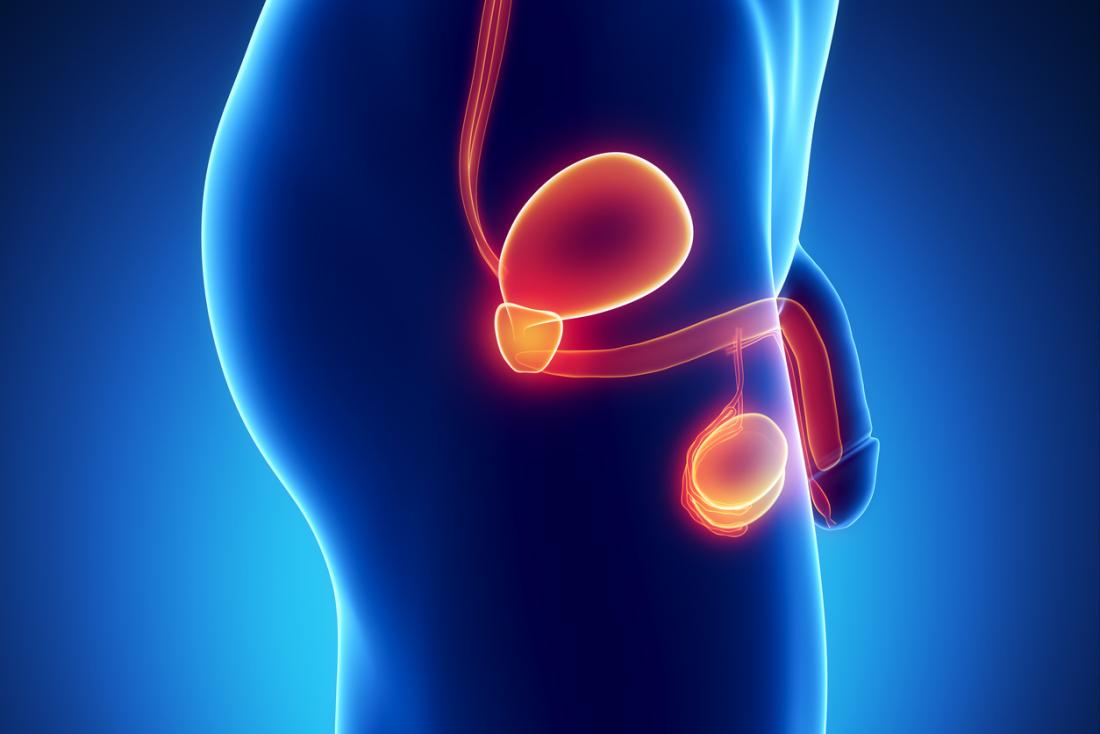
A vasectomy works by cutting or blocking the vas deferens, the tube that carries sperm from the testicles to the urethra. Without that pathway, sperm cannot reach semen, and pregnancy becomes effectively impossible. The procedure takes roughly 20 minutes and, when done under sedation rather than local anesthesia alone, most patients describe the experience as far less stressful than they anticipated.
Recovery is typically one to two days before returning to desk work, with most men resuming normal physical activity within a week. Sexual activity can generally resume after about a week as well, though a follow-up semen analysis is important to confirm the vasectomy was successful. Sperm can remain in the reproductive tract for several weeks after the procedure, which means contraception should continue until that confirmation is in hand.
The long-term side effect profile is minimal. There is no impact on testosterone production, libido, or sexual function. Orgasm and sensation remain unchanged. The only thing that changes is the sperm content of ejaculate, which accounts for a very small percentage of overall semen volume. Most men notice no physical difference at all after recovery.
Vasectomy failure is rare, occurring in roughly 1 in 2,000 cases over a lifetime, typically because the vas deferens recanalized spontaneously. This is why the post-procedure semen analysis matters and why periodic awareness of any changes is reasonable over the long term.
Vasectomy Reversal: What the Success Rates Actually Mean
A vasectomy reversal, or vasovasostomy, reconnects the severed ends of the vas deferens to restore the flow of sperm. In some cases, when blockage has developed in the epididymis, a more complex procedure called a vasoepididymostomy is required, connecting the vas directly to the epididymis instead. Which procedure is needed is determined during the operation itself, based on the fluid found in the vas at the time of surgery.
The headline success rates for vasectomy reversal are encouraging: when the reversal is performed within three years of the original vasectomy, sperm return to the ejaculate in roughly 75 percent of cases, and pregnancy rates approach 55 percent. The numbers shift meaningfully over time. When more than 15 years have passed since the vasectomy, the return-of-sperm rate drops to around 30 percent and pregnancy rates fall to roughly 30 percent as well.
Two things drive that decline. First, scar tissue accumulates around the vas over time, making reconnection more technically demanding. Second, the epididymis can develop a secondary blockage as a result of pressure buildup from sperm that have nowhere to go, requiring the more complex vasoepididymostomy rather than the simpler reconnection. A skilled microsurgeon can handle both, but the technical demands are higher and outcomes are less predictable as time passes.
Partner age is an independent factor that affects the ultimate goal, which is pregnancy rather than sperm return alone. A reversal that successfully restores sperm flow does not guarantee conception, particularly if the female partner is over 35 or has independent fertility considerations. Couples should think about both sides of the equation when evaluating whether reversal is the right path, or whether alternatives like sperm extraction with IVF might be more realistic given their specific situation.
Reversal vs. Sperm Extraction with IVF: A Comparison Worth Having
For couples where time or female fertility is a factor, the conversation about vasectomy reversal versus sperm extraction with IVF (in vitro fertilization) is one that urologists and reproductive endocrinologists increasingly have together. Sperm can be extracted directly from the testicle through a minor procedure and used to fertilize eggs in a laboratory setting without restoring natural fertility at all.
The IVF route has higher upfront cost and puts significant physical and emotional demands on the female partner through the stimulation and retrieval process. Reversal, by contrast, restores natural fertility if successful and is generally less expensive than a full IVF cycle, though it is not covered by most insurance plans in either direction. The right choice depends on how much time has passed since the vasectomy, both partners’ ages, and how quickly the couple wants to proceed. A good urologist will lay out both paths clearly rather than defaulting to one.
What Recovery from a Vasectomy Reversal Looks Like
Vasectomy reversal is a microsurgical procedure performed under magnification and typically takes between two and four hours depending on complexity. Recovery is longer than from a vasectomy. Most men take about a week off work, and strenuous physical activity should be avoided for three to four weeks. Sexual activity is typically restricted for three to four weeks as well to allow the surgical site to heal properly.
Semen analysis is done at intervals after the procedure, typically at six weeks and then every three months, to track sperm return. Sperm may reappear quickly in some patients and take several months in others. The absence of sperm at the six-week mark does not mean the procedure failed, particularly in cases where the vas was blocked for a longer period. Patience and consistent follow-up matter here.
Swelling, bruising, and discomfort in the scrotal area are expected in the first week and are managed with rest, scrotal support, and anti-inflammatory medication. Complications are uncommon but include infection, hematoma (blood pooling), and in rare cases, re-scarring of the reconnected site.
Questions Worth Asking Before You Commit to Either Procedure
Whether you are considering a vasectomy for the first time or weighing a reversal after years have passed, a few questions tend to clarify the decision:
• How many years has it been since the original vasectomy, and how does that affect reversal success rates in my specific case?
• Will the surgeon be able to determine at the time of the procedure whether a simple reconnection or a more complex bypass is needed?
• What is the surgeon’s personal experience with microsurgical reversal, specifically, not just general urological surgery?
• Is sperm extraction with IVF a more realistic option given my partner’s age and fertility status?
• What does the follow-up process look like, and how will we know if the reversal was successful?
These questions do not have universal answers. The right path depends on facts specific to each patient, which is exactly why a consultation with a urologist who has direct experience performing both procedures is the necessary first step before making any decision.
Talking Through the Decision at Lazare Urology in Brooklyn
Both vasectomy and vasectomy reversal require a surgeon who is technically skilled and genuinely willing to have an honest conversation about what the data shows for your individual situation. At Lazare Urology, Dr. Jon Lazare performs both procedures in a certified in-office operating room with a board-certified anesthesiologist, which means patients avoid the logistical burden and impersonal environment of a hospital while still receiving surgical-level care under sedation.
If you are in Brooklyn or the surrounding New York area and are weighing either of these decisions, a consultation is where the specifics of your situation get mapped against what the procedure can realistically deliver. Lazare Urology provides that kind of straightforward, personalized evaluation, whether you are considering a vasectomy for the first time or revisiting a decision you made years ago.
Schedule a consultation today to discuss your options with a urologist who has the experience and the candidness to help you make the right call for where you are now.