

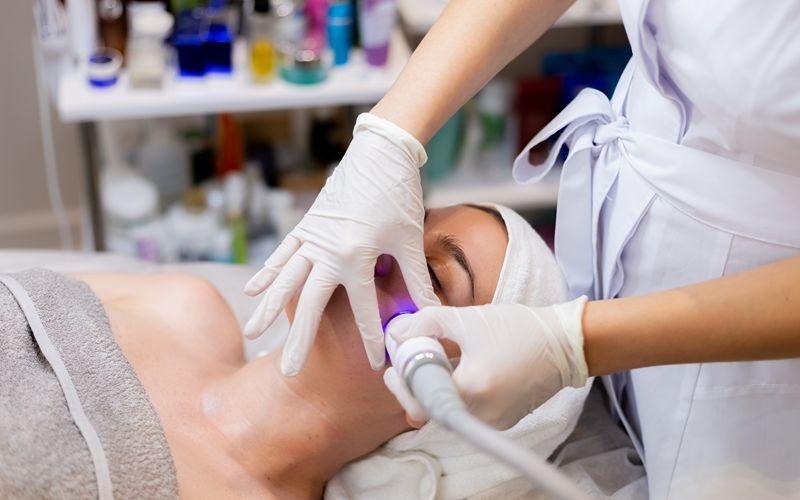
Pimple scars can impact skin texture and confidence, especially when they remain long after acne has healed. Many people in Singapore explore laser treatment for pimple scars to improve uneven skin surfaces and reduce visible marks. This approach targets scarred areas with controlled energy to support skin renewal. Some aesthetic clinics also combine lasers with collagen stimulator injection procedures when appropriate, offering a structured approach to treating different scar types.
How Laser Treatment Targets Different Types of Pimple Scars
Laser treatment for pimple scars works by creating controlled micro-injuries in the skin to encourage new tissue formation. This process helps remodel areas affected by boxcar, rolling, or ice-pick scars. Fractional and non-ablative lasers are commonly used in aesthetic clinics to stimulate collagen without removing large layers of skin, helping shorten recovery time. The depth and intensity of each session depend on the scar characteristics, skin type, and treatment goals. Aesthetic clinics such as Veritas Medical Aesthetics may recommend tailored approaches based on individual assessments.
Some cases benefit from pairing laser therapy with a collagen stimulator injection, especially when scars appear deeper or show volume loss. Combining both treatments can support improved collagen production over time. The laser focuses on resurfacing and smoothing, while the collagen stimulator injection works beneath the skin to address structural irregularities. This layered method allows clinicians to target scars from multiple angles without relying on a single technique.
What to Expect During a Laser Session in Singapore
A typical session begins with cleansing and preparation of the treatment area. The clinician adjusts laser settings based on the patient’s skin profile and scar severity. Patients describe the sensation as warm or prickling, depending on the type of laser applied. The session duration varies but commonly ranges from 15 to 30 minutes. Most individuals can return to routine activities shortly after, although mild redness or sensitivity may persist for a short period. Following aftercare instructions remains crucial for maintaining comfort and supporting skin recovery.
When deeper scars require more comprehensive support, a collagen stimulator injection may be performed in a separate session or combined into a treatment plan. This procedure works below the skin surface to encourage gradual collagen restoration. Patients should understand that these injections do not offer instant changes; improvements appear progressively as the body responds. Combining both approaches forms a structured pathway for addressing different scar depths.
Suitability Criteria: Who Benefits from Laser Scar Treatment
Laser treatment for pimple scars is suitable for individuals with stable acne who want to improve skin texture. It benefits people with defined atrophic scars, uneven surfaces, or persistent marks. Those with active acne should address ongoing breakouts before undergoing laser procedures to avoid interference with treatment outcomes. A consultation helps determine skin suitability, as factors such as pigmentation, scar depth, and health conditions influence the recommended approach.
Patients looking for gradual improvement may also consider collagen stimulator injection treatments. This option suits people who require additional support for deeper scars or reduced skin volume. It also benefits individuals who prefer long-term collagen-building options rather than short-term surface treatments. Combining both methods depends on the clinician’s assessment and the patient’s goals.
Realistic Expectations and Treatment Planning
Laser treatment for pimple scars works gradually, with improvements appearing over several sessions. Patients should understand that different scar types respond differently, and results vary based on individual skin characteristics. Most treatment plans involve multiple sessions spaced weeks apart to support steady skin renewal. Maintaining realistic expectations helps ensure the treatment journey remains manageable and aligned with long-term goals.
Adding a collagen stimulator injection to the plan can support bigger changes, but this also requires time to work. The treatment focuses on structural support rather than immediate results. Patients who approach these treatments with clear expectations and consistent follow-ups typically notice progressive changes in texture and scar visibility.
Conclusion
Laser treatment for pimple scars offers individuals in Singapore a way to address uneven skin texture through controlled resurfacing and collagen renewal. When suitable, combining laser therapy with a collagen stimulator injection may further support structural improvement. With proper assessment and realistic expectations, patients can work toward smoother and more consistent skin texture over time.
Explore structured treatment options for acne scars today. Contact Veritas Medical Aesthetics for personalised guidance.