

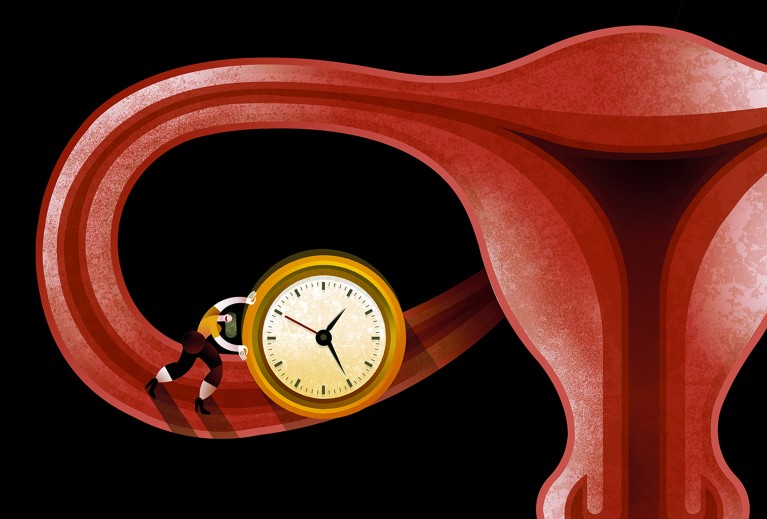
Hormones operate like conductors in the symphony of the human body, directing everything from metabolism to mood. When these conductors fall out of tune, symptoms can range from subtle fatigue to life-altering changes in bone, brain, and heart health. Enter hormone replacement therapy (HRT), a medical intervention that has evolved from a niche treatment for menopausal symptoms to a wide-ranging tool with both supporters and skeptics.
Understanding Hormone Replacement Therapy (HRT)
What Is HRT? Definitions and Objectives
Hormone Replacement Therapy refers to the medical administration of hormones to supplement or replace those the body is no longer making in sufficient quantities. While most often associated with easing menopausal symptoms in women, HRT is also used for men experiencing andropause and for individuals with certain endocrine disorders. The primary goal is symptom relief and the restoration of hormonal balance to maintain quality of life.
Historical Development and Evolution of HRT
The first estrogen pills appeared in the 1940s, but it was the 1960s and 1970s that saw a boom in prescriptions for menopausal women. Early enthusiasm was tempered by emerging evidence in the 1990s and early 2000s, particularly from the landmark Women’s Health Initiative study, which linked some forms of HRT to increased health risks. Since then, approaches have become more nuanced, focusing on patient-specific factors and evolving delivery methods.
Common Hormones Used in Replacement Therapy
Estrogens, progesterone, and testosterone are the big players in HRT. Depending on the patient and the indication, therapy might include one or more of these. Estrogen and progesterone are most common for women, while testosterone is often prescribed to men with low testosterone levels. In some cases, thyroid or growth hormones are also supplemented.
Different Approaches to Hormone Replacement Therapy
Bioidentical vs. Synthetic Hormones: Composition and Claims
Bioidentical hormones are chemically identical to those the body produces, derived from plant sources. Proponents argue they may be safer or more effective than synthetic hormones, which have similar but not identical structures. However, large-scale studies have yet to demonstrate clear clinical advantages for bioidentical preparations.
Delivery Methods: Pills, Patches, Gels, and Injections
The method of delivery can affect both the effectiveness and side-effect profile of HRT. Oral tablets are convenient, but patches and gels bypass the liver, potentially reducing some risks. Injections and implants offer longer-lasting effects but may increase the chance of side effects for some patients.
Personalized Dosing vs. Standard Protocols
Gone are the days of one-size-fits-all hormone therapy. Increasingly, clinicians tailor dosing based on patient age, symptoms, blood hormone levels, and risk factors. This individualized approach aims to optimize benefits while minimizing risks.
Scientific Evidence Supporting HRT Benefits
Symptom Relief: Menopause, Andropause, and Beyond
Hot flashes, night sweats, sleep disturbances, and vaginal dryness are the symptoms most famously relieved by HRT. For men, testosterone therapy can help with low libido, mood changes, and energy levels. Studies consistently show significant symptom reduction for many individuals.
Impact on Bone Density and Cardiovascular Health
Estrogen therapy has been shown to prevent bone loss and reduce the risk of fractures in postmenopausal women. Early research suggested cardiovascular benefits; however, more recent studies point to a complex relationship where timing and patient profile matter. Younger women closer to menopause may see heart benefits, while older women may face increased heart risks.
Cognitive Function and Mood Improvements
Emerging research hints that HRT may have positive effects on mood and cognitive function, particularly when started near the onset of menopause. The evidence remains mixed, and cognitive protection is not considered a primary indication for routine HRT at this time.
Risks and Controversies in Hormone Replacement Therapy
Cancer Risks: Breast, Prostate, and Endometrial
The relationship between HRT and cancer risk remains one of medicine’s most debated topics. Combined estrogen-progestin therapy has been linked to a higher risk of breast cancer, while estrogen alone may slightly increase the risk of endometrial cancer in women with a uterus. For men, the link between testosterone therapy and prostate cancer requires further study.
Cardiovascular Concerns: Clotting and Stroke Risks
Certain oral HRT regimens can increase the risk of blood clots, stroke, and heart disease, especially in older adults or those with preexisting risk factors. Non-oral formulations may reduce some of these risks according to recent evidence.
Long-Term Safety Data: What Studies Agree and Disagree On
While short-term HRT is generally safe when carefully prescribed, long-term use remains controversial. Some studies suggest increased risks with prolonged therapy, while others point to possible benefits when therapy is individualized and started close to the onset of symptoms.
Comparative Effectiveness: HRT vs. Alternative Treatments
Lifestyle Modifications and Non-Hormonal Medications
Alternatives like dietary changes, exercise, and non-hormonal drugs (such as SSRIs for hot flashes) offer partial relief for some but are generally less effective than HRT for severe symptoms.
Emerging Therapies and Experimental Approaches
Scientists are investigating selective estrogen receptor modulators, tissue-specific therapies, and botanical supplements. None have yet matched the effectiveness of standard HRT, but research continues.
Patient Outcomes and Quality of Life Metrics
Overall, patients report greater satisfaction and quality of life with HRT compared to alternatives, especially when therapy is tailored to their needs.
Guidelines and Recommendations from Medical Authorities
Medical organizations worldwide recommend a personalized approach and urge caution for women over 60 or those with certain risk factors. Regular monitoring is critical to adjust therapy or stop it if risks outweigh benefits. Guidelines differ internationally; for example, some European authorities are more permissive than their US counterparts.
Future Directions in Hormone Replacement Therapy Research
Advances in delivery systems, such as long-acting implants and transdermal patches, promise greater efficacy and safety. Genetic profiling and biomarker analysis may soon allow for truly personalized hormone regimens. Excitingly, regenerative medicine could one day allow doctors to restore natural hormone production rather than merely supplementing it.
Making an Informed Decision About HRT
Anyone considering HRT should weigh the potential for symptom relief against the possible risks. A thoughtful conversation with a healthcare provider, ideally including a review of family and personal health history, is crucial. It is always wise to seek a second opinion and to come prepared with questions about the latest evidence. For a comprehensive overview, resources like Hormone Replacement Therapy can help patients gather the information they need to make the best decision.