

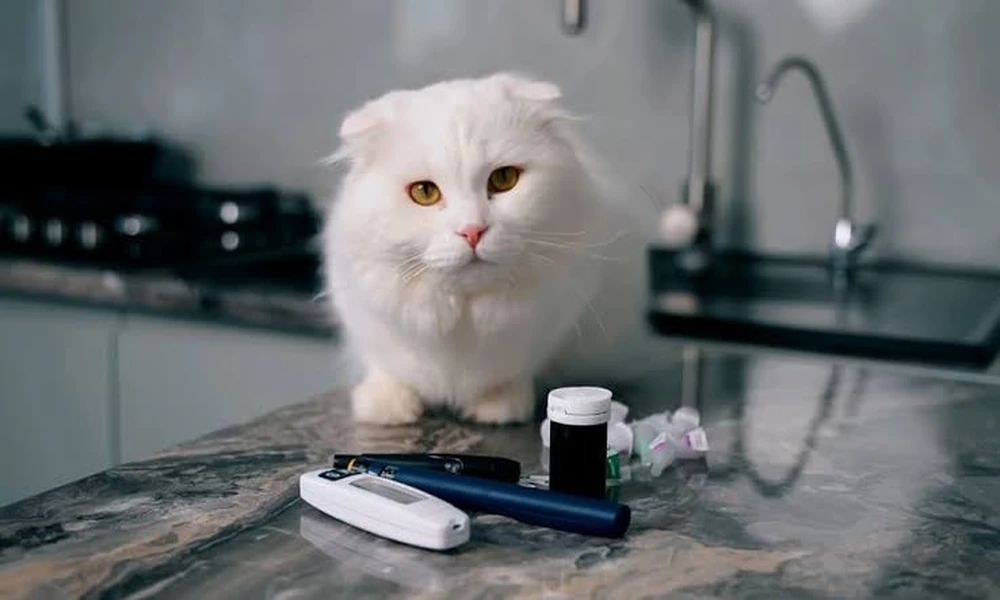
You notice the water bowl emptying faster, the litter box getting heavier, and your cat losing weight even though they still seem hungry. That mix of worry and second guessing is common. Diabetes in cats can creep in quietly, and the testing can feel confusing once your veterinarian starts talking about blood glucose curves, stress hyperglycemia, and fructosamine. The short version is simple. Fructosamine testing helps Woodbridge veterinary services and a veterinary clinic look at your cat’s average blood sugar over the past couple of weeks, which gives a steadier picture than a single glucose reading taken during a stressful visit.
Cats are experts at making medical visits harder than they need to be. A frightened cat can have a temporary spike in blood sugar just from being handled, riding in the car, or sitting in an exam room. That means one high reading does not always equal diabetes. This is where feline fructosamine testing becomes useful. It helps your veterinarian sort out whether the blood sugar has been running high over time or whether that one number was inflated by stress.
Fructosamine testing gives veterinary clinics a wider view of feline diabetes
Fructosamine is formed when glucose binds to proteins in the blood, mainly albumin. Because those proteins stay in circulation for days to weeks, the fructosamine level reflects average blood sugar over roughly the previous one to three weeks. A single glucose test shows one moment. Fructosamine shows the trend.
That wider view matters because feline diabetes is not diagnosed from one number alone. Your veterinarian will look at symptoms, physical exam findings, urine results, and bloodwork together. Cornell’s feline health resource on feline diabetes explains that common signs include increased thirst, increased urination, weight loss, and increased appetite. When those signs line up with repeated high glucose or related lab changes, the diagnosis gets clearer.
Fructosamine testing is also useful after diagnosis. If your cat has started insulin, your veterinarian may use it to see whether control is improving over time. If numbers are still high, the dose, diet, schedule, or even the diagnosis itself may need another look. If numbers fall too low, treatment may need to be adjusted before your cat runs into trouble.
Stress hyperglycemia can blur the picture without fructosamine testing
You bring your cat in, they flatten their ears, their heart races, and the glucose comes back high. Then you are told diabetes is possible, but not certain. That uncertainty is frustrating, especially when you want a clean answer right away. Cats often develop stress hyperglycemia, and that can mimic diabetes on a spot check.
Research has shown how common this problem is in feline medicine. A review available through PubMed Central discusses the challenge of interpreting glucose values in cats because stress can raise them substantially during a clinic visit. Another study on feline diabetic monitoring and diagnosis, also available through PubMed Central, supports using longer view markers such as fructosamine alongside clinical signs and other tests.
This is why how veterinary clinics use fructosamine testing to assess diabetes in cats matters in real life, not just on paper. It can help prevent a cat from being labeled diabetic too quickly, and it can help confirm a diagnosis when symptoms and routine blood glucose results do not fully agree.
Veterinary clinics use fructosamine results alongside symptoms and treatment response
Fructosamine is helpful, but it is not a standalone answer. A veterinary clinic will usually combine it with a urinalysis, blood chemistry panel, body weight history, diet review, and your notes from home. If your cat is drinking excessively, losing weight, and urinating more, a high fructosamine level carries more meaning than it would on its own.
There are also limits. Low blood protein levels, thyroid disease, and other health issues can affect fructosamine values. A cat with improving diabetes may still have a fructosamine result that lags behind what happened in the last day or two, because the test reflects a longer average. That makes it less useful for detecting sudden drops in glucose and more useful for tracking the overall pattern.
| Test or Factor | What It Shows | Main Advantage | Main Limitation |
|---|---|---|---|
| Single blood glucose reading | Blood sugar at one moment | Fast and widely available | Can be falsely high from stress |
| Fructosamine test | Average blood sugar over about 1 to 3 weeks | Less affected by short term stress spikes | Does not show day to day swings or sudden lows |
| Urinalysis | Glucose or ketones in urine | Adds context and helps assess severity | Does not replace blood testing |
| Home observations | Thirst, appetite, weight, litter box changes | Shows what is happening between visits | Can be easy to miss without tracking |
Veterinary diabetes testing for cats works best when you track what happens at home
Your cat does not live in the exam room. They live with you, and that makes your observations part of the medical picture. If your veterinarian is trying to decide whether a glucose result reflects true diabetes or stress, the details you notice at home can change the next step.
Track drinking, eating, and litter box habits. Write down how often you refill the water bowl, whether appetite has changed, and whether the litter box is wetter or clumpier than usual. Weight loss matters too, even if it seems gradual.
Ask what the fructosamine result means in context. A number by itself can sound alarming. Ask whether the result supports diabetes, suggests poor control in a known diabetic cat, or simply calls for more monitoring. Clear interpretation matters more than the lab sheet alone.
Follow the recheck plan closely. If your cat starts insulin or a diet change, timing matters. Recheck testing helps your veterinarian see whether treatment is working safely. Skipping follow ups can leave your cat under treated or over treated for weeks.
Clear testing helps cats get the right diabetes care sooner
When your cat is acting differently, the hardest part is often the waiting and the uncertainty. Fructosamine testing gives a veterinary clinic a steadier way to assess blood sugar patterns, especially when stress may be distorting a one time glucose reading. That can lead to a more accurate diagnosis, a safer treatment plan, and fewer guesses.
If your cat is showing signs of diabetes, schedule an appointment with a veterinary clinic and ask whether fructosamine testing should be part of the workup. A clearer picture now can spare your cat a lot of discomfort later.