

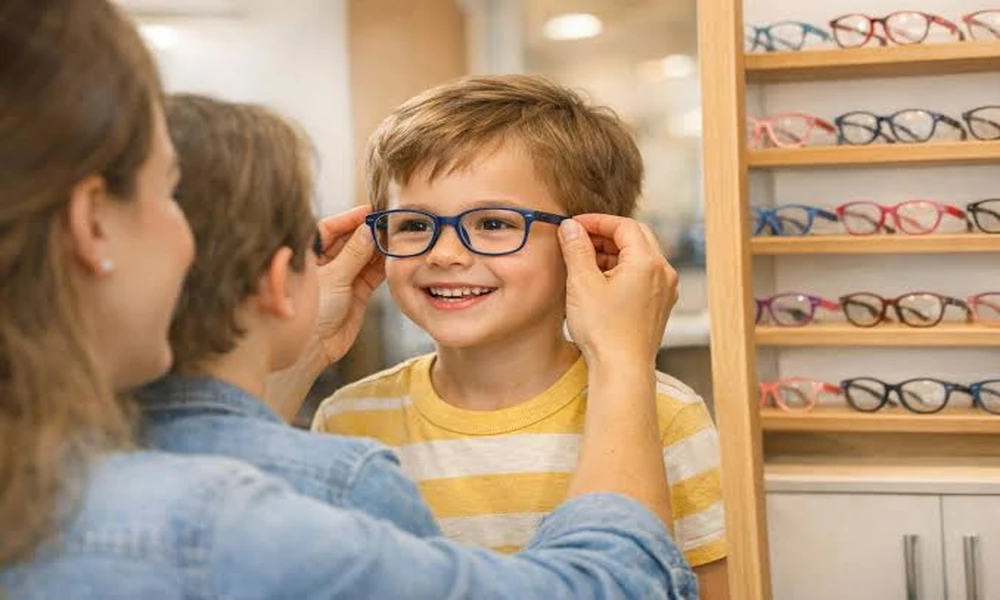
When your child wears Kids Glasses every day, small fit issues can quickly affect comfort, focus, and daily confidence. Children may not always know how to explain that their glasses feel loose, tight, blurry, or uncomfortable. That is why parents should check the fit, condition, and prescription needs regularly.
Kids grow fast. Their face shape changes, their schoolwork becomes more demanding, and their daily activities can put extra stress on their frames. Sometimes, a simple adjustment is enough. Other times, the glasses may need to be replaced.
Why Properly Fitted Glasses Matter
Comfort helps children wear them consistently
Glasses only work well when children actually wear them. If the frame pinches their nose, slides down their face, or feels heavy behind the ears, they may take them off during class, playtime, or reading.
A good fit should feel secure but not tight. The glasses should sit comfortably on the nose, stay in place when the child looks down, and rest evenly behind both ears.
Clear vision supports learning and play
Children use their vision for reading, writing, screens, sports, and classroom activities. If their glasses are crooked, scratched, or no longer match their prescription, they may struggle to see clearly.
This can lead to eye strain, headaches, reduced focus, or frustration. In some cases, parents may think the child is distracted when the real issue is vision discomfort.
Signs Kids Glasses Need Adjustment
The glasses keep sliding down
If your child keeps pushing their glasses up, the frame may be too loose. This can happen when the temples stretch, the nose pads move, or the frame becomes wider from daily use.
Sliding glasses are not just annoying. They can also change where the lenses sit in front of the eyes, which may affect clarity.
The frame looks uneven
Look at your child’s glasses while they are facing you. If one side sits higher than the other, the frame may be bent. Uneven glasses can happen after rough play, accidental drops, or placing the glasses in a bag without a case.
A slight bend may only need a quick adjustment from an optical professional.
There are red marks on the nose or ears
Some light marks can appear after wearing glasses for many hours, but deep red marks or sore areas may mean the frame is too tight.
Check the nose bridge, behind the ears, and the sides of the head. If your child says the glasses hurt, do not try to bend the frame at home. It is safer to bring them to an optical shop for proper adjustment.
Your child avoids wearing them
If your child suddenly stops wearing their glasses, ask why. They may say:
- “They hurt.”
- “They feel weird.”
- “I can’t see well.”
- “They keep falling.”
- “My friends say they look crooked.”
These comments can help you know whether the issue is fit, comfort, lens clarity, or confidence.
Signs Kids Glasses May Need Replacement
The lenses are badly scratched
Small scratches may not seem serious, but deeper scratches can make vision less clear. Children may look through blurry patches without realizing it.
If the lenses are scratched across the main viewing area, replacement may be better than adjustment.
The frame is cracked or weak
A loose screw can often be fixed. A cracked bridge, broken temple, or weak hinge may not hold up for long, especially for active children.
If the frame keeps needing repairs, it may be time for a stronger, better-fitting pair.
The glasses are too small
Children can outgrow glasses just like they outgrow shoes. If the temples press into the sides of the head, the frame sits too high, or the lenses look too narrow for the face, the glasses may be too small.
Frames that are too small can feel tight and may not place the lenses correctly in front of the eyes.
Your child’s vision seems different
Your child may need an updated eye check if they:
- Squint often
- Move closer to books or screens
- Complain of headaches
- Cover one eye
- Lose interest in reading
- Say the board at school looks blurry
These signs do not always mean the glasses are broken. They may mean your child’s prescription has changed.
How Often Should You Check the Fit?
Do a simple check every few weeks
Parents can do a quick home check by asking:
- Are the glasses straight?
- Do they slide down?
- Are the lenses clean and clear?
- Are there loose screws?
- Does my child wear them without complaint?
This takes only a few minutes but can prevent bigger problems later.
Schedule regular eye checks
Children’s vision can change during school years, so regular eye exams are important. Follow the schedule recommended by your child’s optometrist or eye care professional, especially if your child already has myopia, astigmatism, or another vision concern.
How to Help Kids Take Care of Their Glasses
Build simple daily habits
Good habits can make Kids Glasses last longer. Teach your child to:
- Use both hands when removing glasses
- Keep glasses in a case when not in use
- Clean lenses with a proper lens cloth
- Avoid placing glasses face down
- Keep them away from rough bags, toys, or sports gear
For example, Spectacle Hut carries kids’ size sunglasses and optical frames, along with customised myopia management solutions provided by Eyecare Professionals, which can be helpful for families looking at both frame fit and vision support.
Adjustment or Replacement: How to Decide
Choose adjustment when the frame is still in good condition
An adjustment may be enough if the glasses are loose, slightly crooked, or pressing in one area. Optical professionals can often adjust the temples, nose pads, or frame alignment.
Choose replacement when comfort, safety, or vision is affected
Replacement may be better if the frame is cracked, the lenses are badly scratched, the glasses are too small, or your child’s prescription has changed.
A well-fitting pair of children’s glasses should support clear vision, comfort, and everyday confidence. When in doubt, have the glasses checked by an eye care professional instead of guessing. A small adjustment or timely replacement can make a big difference in how well your child sees, learns, and enjoys daily life.