

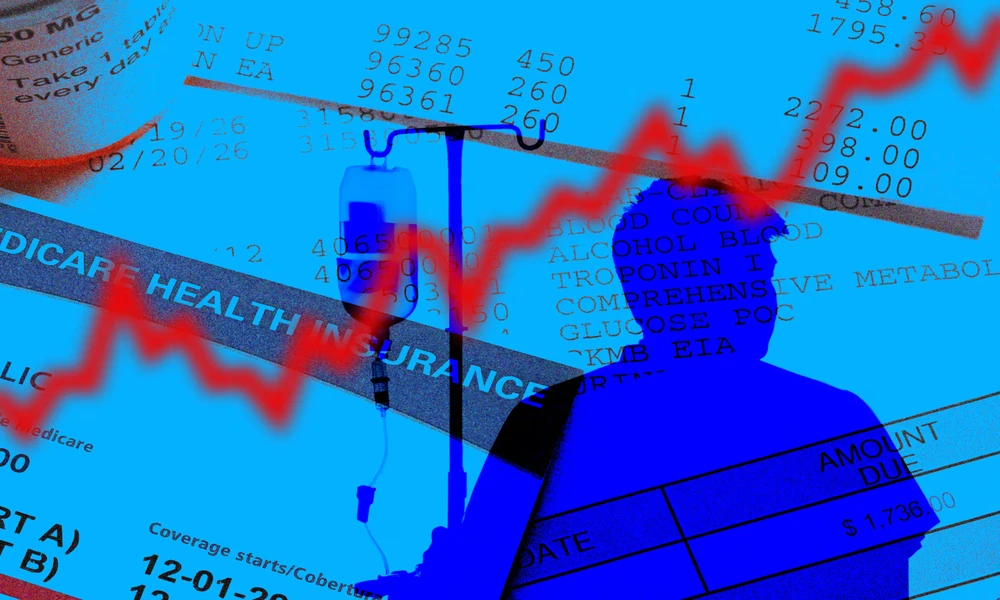
A cancer diagnosis can change a family’s life in an instant. Beyond the emotional impact, many households are surprised by the financial burden that often follows treatment. While most people anticipate hospital bills and medical procedures, there are many less obvious expenses that can add up quickly.
In the Philippines, where many families carefully balance household budgets, these overlooked costs can create significant financial pressure. Understanding the full financial picture can help families prepare more effectively and make informed decisions before a health crisis arises.
Medical Costs Are Only Part of the Equation
When people think about cancer treatment, they usually focus on direct medical expenses such as consultations, diagnostic tests, surgery, chemotherapy, or radiation therapy. While these costs can be substantial, they often represent only a portion of the total financial impact.
Additional expenses may include:
- Specialized medications
- Medical supplies used at home
- Follow up diagnostic tests
- Nutritional supplements
- Additional consultations with specialists
Over time, these costs can accumulate and place unexpected strain on household finances.
As treatment progresses, many families discover that some of the biggest expenses occur outside the hospital.
Transportation and Accommodation Expenses
Cancer treatment may require frequent visits to medical facilities, especially when specialized care is only available in larger cities.
Common nonmedical expenses can include:
- Transportation costs to and from treatment centers
- Fuel and parking fees
- Public transportation fares
- Temporary accommodation near hospitals
- Meals during travel days
For families traveling long distances, these recurring expenses can significantly increase the overall cost of care.
These day to day financial demands often become even more challenging when income begins to decrease.
Loss of Income During Treatment
One of the most overlooked financial consequences of cancer is the potential loss of income.
Patients may need time away from work to attend appointments, undergo treatment, or recover from side effects. In many cases, caregivers also reduce their working hours to provide support.
This can result in:
- Reduced household income
- Unpaid leave from work
- Missed opportunities for self employed individuals
- Delayed career progression
A family may suddenly find itself managing higher expenses while bringing in less income, creating a difficult financial situation.
This highlights why preparing for a serious critical illness often requires more than simply budgeting for healthcare costs.
Recovery Costs Can Continue for Months or Years
Many people assume expenses end once major treatment is completed. In reality, recovery often involves ongoing costs that families do not initially anticipate.
These may include:
- Rehabilitation services
- Physical therapy
- Mental health support
- Ongoing monitoring and testing
- Long term medication
Some patients require continued care well beyond their initial treatment period. As a result, financial planning should account for both immediate and long term healthcare expenses.
Understanding these ongoing costs helps families see why comprehensive financial preparation is so important.
The Value of Financial Preparedness
Preparing for unexpected health challenges does not mean expecting the worst. Instead, it means recognizing that serious medical conditions can affect both health and financial stability.
Many families strengthen their preparedness by:
- Building an emergency fund
- Creating a healthcare savings plan
- Reviewing household budgets regularly
- Exploring financial protection options
- Discussing plans with family members
Preparation can help reduce financial stress during an already difficult time and allow families to focus more fully on treatment and recovery.
One option some individuals explore is critical illness insurance, which may provide financial support following the diagnosis of a covered condition, subject to the policy’s terms and conditions. Such support may help families manage a range of expenses that extend beyond direct medical bills.
While financial planning is important, emotional and caregiving responsibilities can also create hidden costs.
The Financial Impact on Caregivers
Cancer rarely affects only one person. Family members often take on caregiving responsibilities that require time, energy, and financial sacrifices.
Caregivers may need to:
- Reduce their work hours
- Take unpaid leave
- Travel frequently for appointments
- Cover additional household responsibilities
- Arrange childcare or eldercare support
These indirect costs can place further strain on household finances and are frequently overlooked when planning for treatment expenses.
Recognizing the role of caregivers provides a more complete understanding of the true financial impact of cancer.
Considering Financial Protection Before It Is Needed
Many people only begin researching protection options after a diagnosis, when choices may be more limited. Learning about available solutions earlier can help individuals make informed decisions based on their personal circumstances.
For example, some consumers explore cancer insurance as part of a broader financial strategy. Depending on the policy, benefits, and coverage terms, this type of protection may help address some of the financial challenges associated with cancer treatment and recovery.
Similarly, certain forms of critical illness insurance may provide financial support following a covered diagnosis, allowing individuals greater flexibility in managing both medical and nonmedical expenses.
Understanding available options ahead of time can contribute to greater financial confidence and preparedness.
Conclusion
The financial impact of cancer extends far beyond hospital bills. Transportation expenses, lost income, caregiving responsibilities, rehabilitation costs, and ongoing household obligations can all contribute to the overall burden faced by families.
By recognizing these hidden costs early and taking steps to prepare, individuals may be better equipped to navigate the challenges that come with a serious critical illness. Establishing savings, creating a financial plan, and understanding available protection options can help families focus on recovery and wellbeing rather than financial uncertainty.