

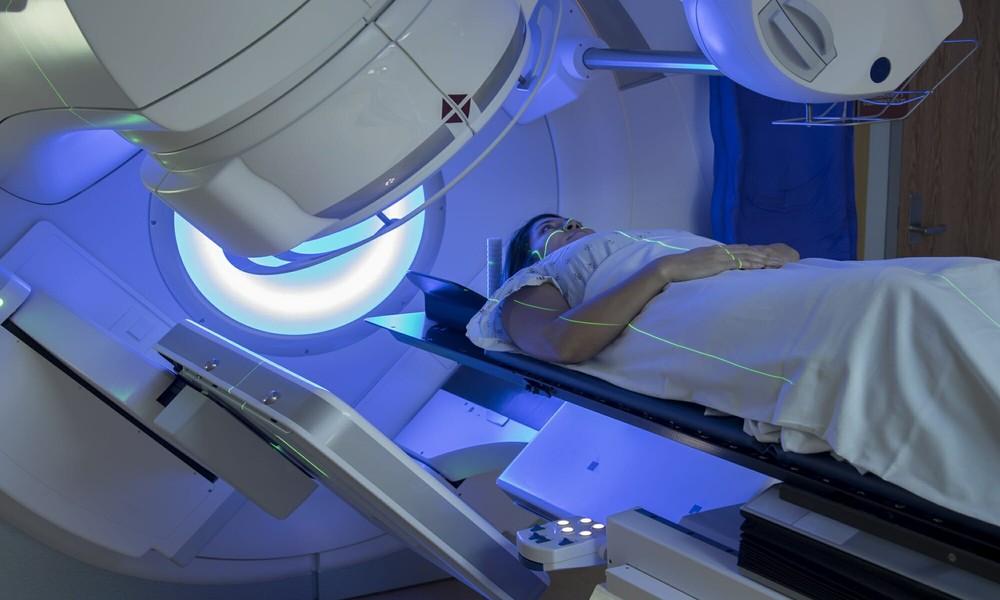
Cancer patients are afraid that radiotherapy is painful; however, the very process is painless. The machine merely projects the radiation beams, which are like the X-ray, the beams are emitted with no heat, shock or weird feeling. The article addresses the most frequently asked questions related to painful experiences during and after radiotherapy sessions and makes the patient see the difference between the myth and the reality.
Explaining how a person feels during radiotherapy sessions
Does the radiotherapy procedure itself cause pain?
No, the radiation administration is totally painless, patients will lie motionless on a table and a machine will go round them. The few minutes of exposure will not be burning or tingling, or exhibiting any other strange feeling. All the duration needed is between fifteen and thirty minutes and the radiation beam is only allocated a minute or two.
What causes discomfort during radiotherapy sessions?
The only potential discomfort does not arise out of the radiation, but rather out of holding in the necessary position for ten to twenty minutes. Certain of these treatments require arms to be stretched above the head, legs in special supports, or a special mask to hold the head still. The radiotherapy team assists patients to relax by placing pillows, wedges or supports to relieve position strain.
Does radiotherapy cause pain after the session ends?
Several daily sessions may result in the treated part of the body being sore or tender like a sunburn that gets better with time. This skin response is referred to as radiation dermatitis and it results in either reddening, dryness, peeling, or darkening of the skin in the treatment field. This area could be warm, itchy, or touch sensitive but this side effect would generally disappear within two to four weeks of radiotherapy.
What is the significance of hydration in prevention of radiotherapy discomfort?
Consumption of lots of water assists the body in radiation effects processing and healthy skin regeneration during treatment. The dehydration aggravates fatigue, dry mouth, and dry skin, causing the side effects to become more severe and difficult to cope with. Drinking water during the day not only with meals will help in keeping the body hydrated without the uncomfortable fullness.
What is the effect of nutrition on radiotherapy side effects recovery?
Small and frequent meals will supply the body with continuous energy instead of overloading the digestive system in the course of treatment. Protein food such as eggs, yogurt and lean meat assists in the restoration of normal tissues that are damaged by radiation. Patients with difficulty in eating ought to address the issue of nutritional supplements with their oncology team instead of neglecting the meals.
What skin care helps manage post radiation discomfort?
Apply the oncology-approved gentle and fragrance free moisturizers after treatment sessions and not immediately before them. Never apply any lotions, powders or deodorants on the part treated without consulting the radiation staff. Put loose cotton over the part treated, and shield the part against the sun during and after treatment.
When should patients contact their doctor about pain?
Immediately summon the oncology team in case the treated skin opens up, pours, or displays any of the symptoms of infection such as spreading redness. Indicate any fever, chills or flu-like symptoms since radiation may temporarily reduce the level of white blood cells. Delayed to the next appointment, call the emergency line of the clinic to consult about the appearance or worsening of the symptoms.
Conclusion
For those people asking is radiotherapy painful (電療辛苦嗎)?The answer is that the process of radiotherapy is painless throughout the treatment process, but positioning and skin response can be painful and manageable. The knowledge on the distinction of the painless radiation itself, and the temporary after-effect assists a patient to undergo the treatment with confidence and less fear.