

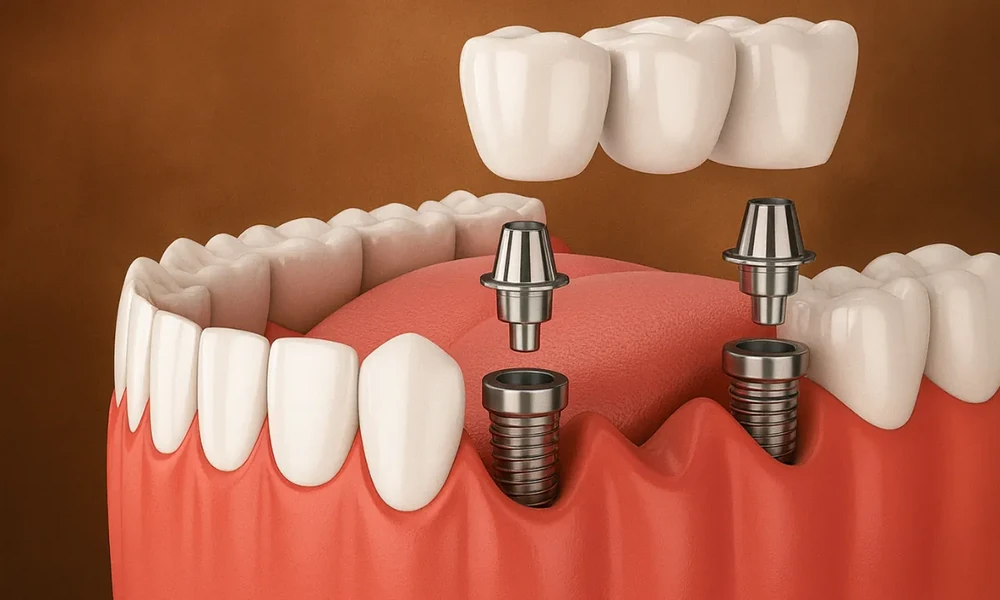
If your dentist has recommended a dental crown, you may be wondering how much time to set aside. The answer depends on the condition of the tooth, whether additional treatment is needed, and whether the crown is made in a dental laboratory or completed with same-day technology.
Many traditional crown treatments involve two appointments, while some suitable cases can be completed in one visit.
What Happens During the First Appointment?
The first visit for a traditional crown often takes around one to two hours, although timing varies by patient and procedure.
Your dentist examines the tooth and may take X-rays if needed. After discussing the treatment plan, the tooth is prepared so the crown can fit securely. The dentist then takes a dental impression or digital scan to guide the crown’s design.
A temporary crown is often placed to protect the prepared tooth while the permanent restoration is being made. Your dentist will explain how to care for it and what to do if it becomes loose.
How Long Does the Final Crown Appointment Take?
At the second visit, the dentist removes the temporary crown and checks the permanent one for fit, appearance, comfort, and bite. Minor adjustments may be needed before the crown is secured.
This appointment is often shorter than the preparation visit, but the exact duration depends on the case. Your dental office can give you a more useful estimate based on your treatment plan.
Can a Crown Be Completed in One Day?
Some dental practices use digital scanning and in-office milling to design and make certain crowns during a single appointment. Whether this is appropriate depends on the tooth, the restoration needed, and the technology available.
Same-day treatment is not suitable for every situation. If the tooth needs root canal treatment or other care first, that may affect the schedule.
What Can Make Crown Treatment Take Longer?
Several factors can change the overall timeline:
- Tooth damage: Extensive decay, cracks, or weakened structure may require additional treatment.
- Root canal treatment: If the pulp inside the tooth is infected or damaged, root canal treatment may be recommended before the final crown.
- Gum health: Inflamed or unhealthy tissues may need attention before treatment proceeds.
- Crown fabrication: Crowns made by an external laboratory usually require a return visit after the restoration is ready.
- Bite adjustments: Your dentist may need to make small adjustments to help the crown fit comfortably.
The time spent in the dental chair is only part of the timeline; the wait between appointments can also matter.
Will Getting a Crown Hurt?
Crown preparation is generally performed with local anesthesia to keep you comfortable during the procedure. Some sensitivity or tenderness may occur afterward. Follow the aftercare advice provided by your dentist, and contact the office if discomfort is significant, persistent, or your bite feels uneven.
How Should You Prepare?
You usually do not need extensive preparation. Before the appointment, consider asking:
- How many visits will I need?
- Will I have a temporary crown?
- Is a same-day crown suitable for my tooth?
- Does the tooth need other treatment first?
- What should I avoid eating while wearing a temporary crown?
Knowing the expected schedule can help you plan work, childcare, transportation, or other commitments.
Considering a Dental Crown in Cambridge, Ontario?
A dental examination can help determine whether a crown is appropriate and what the treatment timeline may look like. At Cambridge Centre Dental Care, you can discuss your options and learn more about dental crown treatment and restorative care.If the tooth has significant internal damage, your dentist may also discuss whether root canal treatment is needed before a crown is placed.
Frequently Asked Questions
How long does a dental crown appointment usually take?
The first traditional crown appointment often takes around one to two hours. The final fitting appointment is usually shorter, though times vary.
Will I always need a temporary crown?
Not always. Temporary crowns are commonly used when a permanent crown is being made by a laboratory. Some same-day workflows may not require a separate temporary crown.
Can I eat normally after the appointment?
Follow your dentist’s instructions. If you have a temporary crown, you may be advised to avoid sticky or very hard foods and to chew carefully around it.
What if my new crown feels too high?
Contact your dentist if your bite feels uneven or uncomfortable. The crown may need to be checked and adjusted.
Final Thoughts
The time needed for a dental crown depends on the tooth’s condition, any additional treatment, the fabrication method, and how the restoration fits. Ask your dentist for an estimate of both appointment length and the overall timeline so you can plan with confidence.