

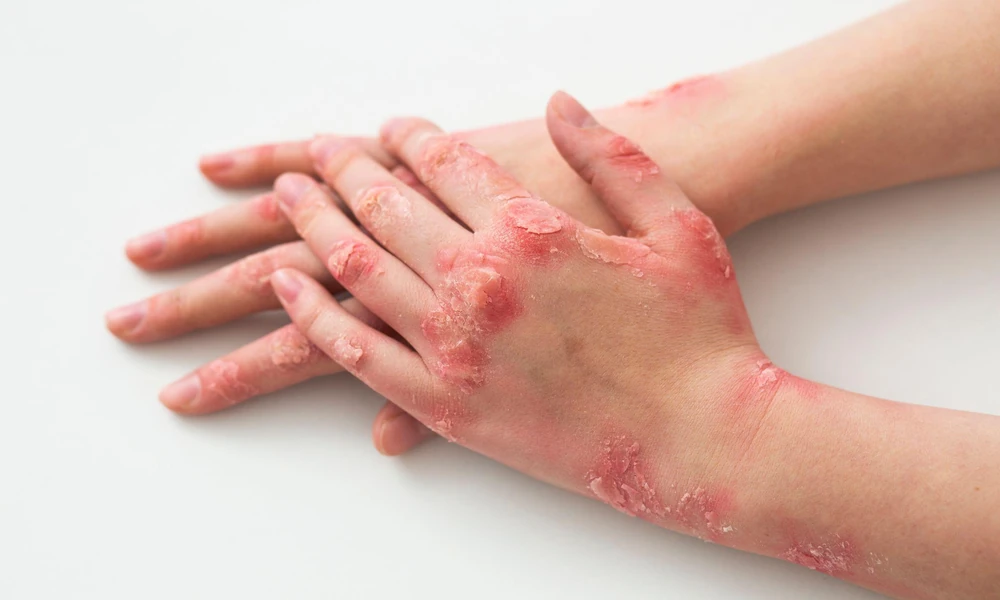
Psoriasis is a chronic skin condition that can cause persistent dryness, redness, scaling, itching, and discomfort. Homeopathy treatment for psoriasis is often explored by people looking for a gentle approach to managing these recurring skin symptoms.
While psoriasis can affect people differently, understanding its symptoms and available treatment approaches can help in making informed decisions about skin care.
What Is Psoriasis?
Psoriasis is a long-term inflammatory skin condition in which skin cells build up faster than usual.
This can lead to thick, dry, scaly patches that may appear on the elbows, knees, scalp, hands, feet, or other parts of the body.
The condition may go through periods of improvement and flare-ups. Factors such as stress, weather changes, skin injuries, infections, and certain lifestyle triggers may contribute to flare-ups in some people.
Common Symptoms of Psoriasis
Some common symptoms include:
- Dry and cracked skin
- Red or inflamed patches
- White or silvery scales
- Persistent itching
- Burning or irritation
- Thickened areas of skin
- Recurring flare-ups
The severity and appearance of symptoms can vary, which is why a personalised approach to managing psoriasis may be important.
How Homeopathy May Help Manage Psoriasis Symptoms
Homeopathic treatment for psoriasis is used by some people as part of a broader approach to managing recurring skin symptoms.
Homeopathic care generally considers the individual’s symptoms, overall health, and pattern of flare-ups when selecting a treatment.
The aim may be to support symptom management, including discomfort associated with itching, dryness, redness, and scaling.
However, psoriasis is a chronic condition, and treatment outcomes can vary from person to person.
People considering homeopathy should consult a qualified healthcare professional, particularly if symptoms are severe, spreading, infected, or significantly affecting daily life.
Managing Itching and Dryness in Psoriasis
Itching and dryness can be among the most frustrating symptoms of psoriasis. Scratching affected areas may further irritate the skin and can sometimes cause cracks or minor injuries.
Keep the Skin Moisturised
Regular moisturisation can help reduce dryness and maintain the skin barrier. Choose gentle, fragrance-free moisturisers and apply them soon after bathing while the skin is still slightly damp.
Avoid Excessive Scratching
Scratching may provide temporary relief but can further irritate affected skin. Keeping nails short and using a cool compress may help manage the urge to scratch.
Use Gentle Skin Care Products
Harsh soaps, strong fragrances, and very hot water may aggravate dry or sensitive skin. Using mild cleansers and lukewarm water can help reduce unnecessary irritation.
Other Benefits of a Comprehensive Approach
Along with managing itching and dryness, people often look for ways to manage other symptoms associated with psoriasis.
Psoriasis skin care should focus on maintaining moisture, protecting the skin from unnecessary irritation, and identifying factors that may trigger flare-ups.
Some people also explore natural psoriasis treatment options as part of their overall skin-care routine.
However, “natural” does not automatically mean suitable for everyone, so it is important to understand the ingredients and discuss them with a healthcare professional when necessary.
For those exploring homeopathic options, products and formulations from established brands such as Medisynth may also be considered based on individual needs and professional guidance.
Can Psoriasis Be Prevented From Coming Back?
Psoriasis can be a recurring condition, and there is currently no guaranteed way to prevent every flare-up.
However, identifying personal triggers and following a consistent skin-care routine may help with long-term management.
Lifestyle Habits That May Help
Maintaining healthy daily habits can support overall skin health. Getting adequate sleep, managing stress, staying hydrated, avoiding known personal triggers, and following a balanced diet may be useful as part of a broader wellness routine.
It can also be helpful to keep track of when symptoms worsen. This may help identify patterns related to weather, stress, products, or other possible triggers.
When Should You Seek Medical Advice?
Persistent or worsening psoriasis symptoms should not be ignored. Professional medical advice is especially important if the skin becomes painful, swollen, warm, develops pus, or shows signs of infection.
You should also seek appropriate medical guidance if psoriasis is affecting your sleep, work, daily activities, or emotional well-being.
A healthcare professional can assess the condition and help determine an appropriate treatment and management plan.
Conclusion
Psoriasis can cause ongoing itching, dryness, redness, and scaling, making everyday skin care challenging.
Homeopathy treatment for psoriasis may be explored by some individuals as an approach to managing recurring symptoms, but results can differ between individuals.
A consistent skin-care routine, moisturisation, trigger management, and professional guidance can all play an important role in managing psoriasis.
Understanding your symptoms and seeking appropriate advice can help you choose a safer and more suitable approach for long-term skin management.