

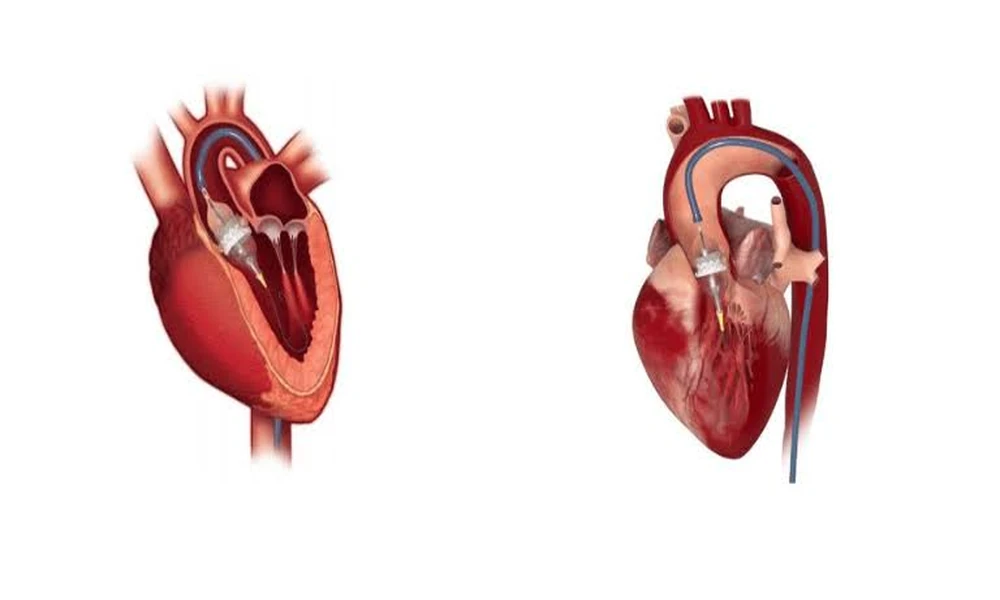
A diagnosis of severe aortic stenosis can move quickly from “we need to monitor this” to “we need to discuss valve replacement.” When TAVI is being considered, choosing the right specialist and centre becomes an important part of the treatment journey.
TAVI is less invasive than traditional open-heart valve surgery, but it is not a simple procedure. It requires precise imaging, detailed planning, catheter skills, rapid decision-making and coordinated support from multiple cardiac disciplines. Patients comparing a TAVI specialist in Mumbai should therefore look beyond a single doctor’s title or a hospital’s advertising.
The most useful question is whether the entire programme has the experience and systems required to evaluate, perform and follow up complex valve procedures safely.
Look for Structural Heart Expertise
TAVI belongs to the field of structural heart intervention. An interventional cardiologist may perform many types of catheter-based procedures, but TAVI requires additional expertise in valve anatomy, CT planning, device selection, vascular access and management of procedure-specific complications.
Ask whether the doctor regularly evaluates and treats patients with aortic stenosis and whether TAVI forms a meaningful part of the specialist’s practice. Experience with complex anatomy, prior valve surgery and alternative access cases can also be relevant when a patient’s situation is not straightforward.
A broader heart specialist in Mumbai may be the first doctor to diagnose the valve problem, but the final TAVI decision should involve clinicians familiar with advanced structural heart treatment.
A Strong Heart Team Matters
Modern valve care is multidisciplinary. A good TAVI programme should not depend on one person making every decision alone. Interventional cardiologists, cardiac surgeons, imaging specialists, anaesthesiologists and critical-care teams each contribute different expertise.
This Heart Team approach is particularly important when the choice between TAVI and surgery is not obvious. A surgeon may identify reasons why open surgery offers an advantage, while the interventional team may identify a less invasive option that reduces procedural burden.
Patients should feel that treatment is being selected because it is appropriate for them, not because it is the only procedure available at the centre.
Ask About TAVI Volume and Complexity
Procedure numbers are not the only measure of quality, but regular experience matters. Teams that perform TAVI frequently are more familiar with device selection, access challenges, imaging findings and uncommon complications.
Rather than asking only, “How many TAVIs have you done?” consider asking how often the team performs the procedure, what types of patients they treat and whether they manage complex referrals.
A centre offering TAVI in Mumbai should also have protocols for emergencies such as vascular complications, coronary obstruction, severe leakage or rhythm problems.
Check the Imaging and Planning Process
Good TAVI begins before the procedure day. Echocardiography confirms the severity of aortic stenosis and assesses heart function. CT imaging provides detailed measurements of the aortic annulus, coronary arteries, calcification and vascular access route.
Ask who reviews the CT scan and how valve size and access strategy are chosen. Detailed planning is especially important in patients with unusual anatomy, previous valve surgery or heavily calcified arteries.
The presence of advanced imaging is valuable, but expertise in interpreting that imaging is just as important as owning the equipment.
Understand the Pre-Procedure Evaluation
A careful workup should review kidney function, blood counts, heart rhythm, coronary arteries, medications, frailty, previous cardiac treatment and other medical conditions. The purpose is not simply to clear someone for a procedure. It is to identify risks early and determine whether TAVI is truly the correct treatment.
Patients should be cautious if a major valve intervention is recommended without a clear explanation of diagnostic findings and alternative treatment options.
Look at How Risks Are Explained
Every TAVI procedure has potential risks, including bleeding, vascular injury, stroke, kidney problems, leakage around the new valve and conduction disturbances that may require a pacemaker.
A good specialist should explain these risks in understandable terms and relate them to the patient’s own health and anatomy. Risk discussions should neither frighten patients unnecessarily nor make the procedure sound completely routine.
Patients should also understand what would make the team change the procedural plan or recommend surgery instead.
Evaluate Hospital and Cath Lab Support
TAVI requires more than an experienced operator. The hospital should have appropriate catheterisation or hybrid procedural facilities, high-quality imaging, cardiac monitoring and access to intensive-care support when necessary.
Cardiac surgery backup and experienced anaesthesia support are also important components of a comprehensive valve programme. The exact setup varies between centres, but the ability to respond quickly to unexpected events matters.
Do Not Ignore Follow-Up Care
The relationship with the TAVI team does not end when the valve is implanted. Follow-up includes clinical review, heart-rhythm monitoring, medication management and echocardiography to assess valve performance.
Ask who will manage follow-up, how concerns after discharge are handled and whether the same team remains involved if symptoms return. Continuity can be particularly helpful for elderly patients with multiple medical conditions.
Communication and Second Opinions
Technical expertise is essential, but communication also matters. Patients should be able to ask why TAVI is being recommended, what surgery would involve, what happens if treatment is delayed and what recovery is likely to look like.
A good cardiologist in Mumbai should be comfortable with informed questions and second opinions. Complex valve decisions are easier when patients and families understand the reasoning behind the recommendation.
The Bottom Line
Choosing a TAVI specialist is really about choosing a complete valve-care system. Look for structural heart experience, multidisciplinary decision-making, careful imaging, transparent risk discussion, strong hospital support and organised follow-up.
The goal is not simply to find someone who can implant a valve. It is to find a team that can decide whether TAVI is appropriate, plan it precisely, manage complications if they occur and continue caring for the patient after discharge. For severe aortic stenosis, that depth of expertise can make the treatment journey clearer and more coordinated from the first consultation onward.