

You may brush, floss, and keep your regular cleanings without thinking much about oral cancer until a sore does not heal, a spot looks odd, or someone close to you gets hard news. That is how this fear often shows up. Quietly. Late. The hard part is that oral cancer can start with changes that seem minor, painless, and easy to ignore. For patients also searching for implant restoration Toronto, it is still important not to overlook suspicious changes in the mouth.
That is where The Role Of Preventive Dentistry In Protecting Against Oral Cancer becomes real. Preventive care is not just about cavities or gum disease. It gives you repeated chances to catch warning signs early, lower known risks, and get a trained set of eyes on parts of your mouth you rarely inspect well on your own. In plain terms, preventive dental care helps reduce risk and improves the odds that a problem is found before it grows harder to treat.
Preventive dentistry helps detect oral cancer before symptoms feel urgent
Oral cancer does not always begin with dramatic pain. It may look like a white patch, a red area, a lump, a thickened spot, a sore that lingers, trouble swallowing, or numbness that feels easy to explain away. You might tell yourself it is stress, a canker sore, or irritation from biting your cheek. Weeks pass. That is often the danger.
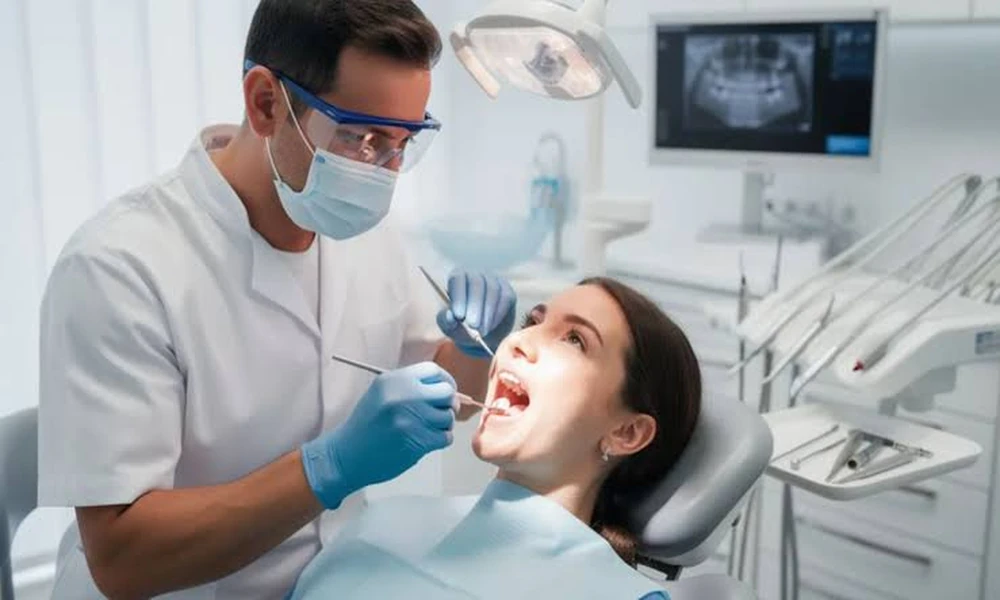
A general dentist checks more than teeth during routine visits. The exam can include the tongue, cheeks, floor of the mouth, palate, lips, and throat area for visible changes or suspicious lesions. This matters because early detection can change the treatment path. The National Cancer Institute outlines key facts on oral cancer screening, including the role of clinical exams in finding abnormal tissue.
Oral cancer prevention through regular dental visits works best because it is repeated. One exam is helpful. A pattern of exams over time is stronger. Your dentist can notice what is new, what has changed, and what needs follow up. That kind of comparison is hard to do at home, especially in areas you cannot see clearly.
Risk reduction starts with habits, exposure, and honest conversations
Prevention is not only about finding disease. It is also about reducing the conditions that make disease more likely. Tobacco use, heavy alcohol use, and certain HPV related risks all raise concern. Sun exposure also matters for lip cancer. The Centers for Disease Control and Prevention explains major oral cancer risk factors and warning signs in a clear way.
You do not need a perfect health history to benefit from prevention. You just need a willing conversation. If you smoke, vape, chew tobacco, drink heavily, or have noticed a change in your mouth, say it plainly. Many people hold back because they expect judgment. That silence can cost time. A good dental visit gives you space to be direct, get screened, and talk through what should be monitored.
The National Cancer Institute also reviews ways of preventing oral cancer, including risk related behaviors and the limits of current evidence. That balance matters. No one can promise total protection. What preventive dentistry can do is reduce avoidable risk and improve early recognition, which is often where outcomes begin to shift.
Routine dental exams and delayed care create very different outcomes
When people postpone routine care, it is usually for reasons that make sense in real life. Cost, time, anxiety, no pain, too much going on. The problem is that oral cancer does not wait for a convenient month. A suspicious lesion found at a cleaning may lead to monitoring, referral, or biopsy while it is still small. The same lesion ignored for months can become harder to treat, more costly, and more disruptive to speaking, eating, and daily comfort.
Preventive dentistry for oral health also supports the basics that make self checks more useful. When your mouth is healthier overall, unusual changes are easier to notice. Inflammation, infection, and neglected dental issues can blur the picture and make it harder to tell what is routine irritation and what deserves urgent evaluation.
| Situation | What Usually Happens | Likely Benefit or Risk |
|---|---|---|
| Regular dental checkups with oral tissue exam | Changes may be spotted early and tracked over time | Better chance of early referral and earlier treatment |
| Skipping visits because nothing hurts | Subtle lesions can go unnoticed for months | Higher risk of delayed diagnosis |
| Honest discussion of tobacco, alcohol, and HPV related concerns | Dentist can tailor screening and prevention advice | Risk reduction becomes more practical and specific |
| Watching a sore at home without professional follow up | False reassurance is common | Loss of time if the lesion is serious |
Small actions now can protect your long term oral health
Schedule routine dental exams and keep them. A general dentist is often one of the first health professionals to notice abnormal changes in the mouth. If it has been a while, getting back on the schedule matters more than feeling embarrassed about the gap.
Pay attention to changes that last longer than two weeks. Watch for sores, red or white patches, lumps, numbness, pain when swallowing, hoarseness, or a spot that keeps returning. If something stays, gets worse, or feels off, do not wait for it to become painful.
Cut down the risks you can control. Stop tobacco use if you can. Reduce heavy alcohol use. Protect your lips from sun exposure. Ask direct questions about your personal risk profile, especially if you have a history that increases concern.
Preventive dentistry gives you a better chance to catch problems early
Fear tends to tell people to wait, not look, and hope for the best. That is human. It is also how small warning signs get room to grow. Preventive dental care gives you something steadier than hope alone. It gives you regular screening, risk guidance, and a clearer path if something suspicious appears.
If you have been putting off a visit, this is a good time to book an appointment with a general dentist and get your mouth checked. Early attention is often the simplest step, and sometimes the most protective one.