

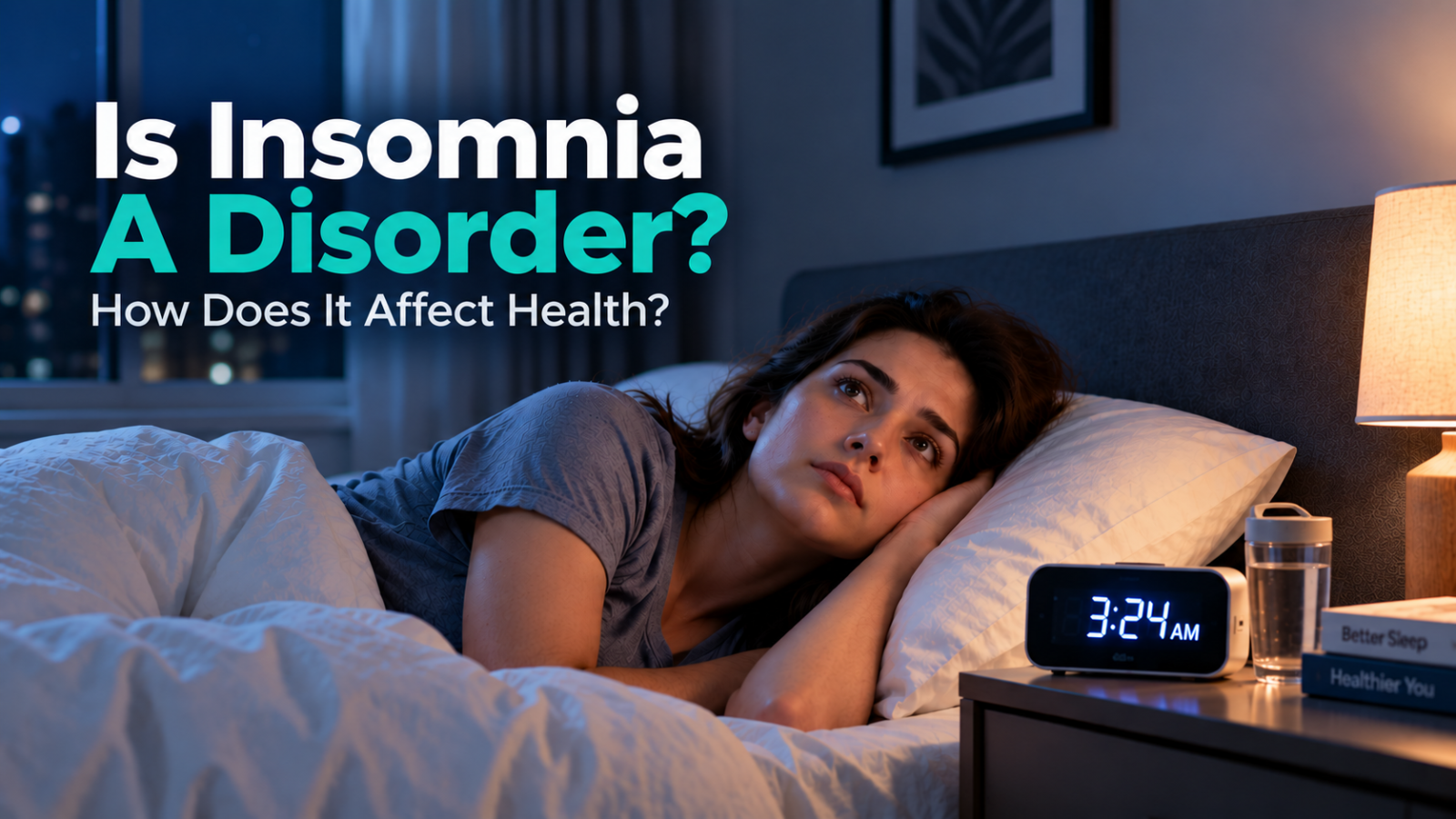
Insomniacs can’t fall asleep easily. Even when they do, they struggle to stay asleep. If it happens occasionally, it’s not a concern. But when sleep deprivation continues for weeks or months, it needs attention. A person with insomnia may suffer from sleeplessness three days a week. Now this is chronic insomnia. Not enough sleep for a long time can put health at risk. Physically, one feels weak from within. Cognitive and mental abilities may also begin to deteriorate when one doesn’t get enough sleep for weeks and months.
When one lacks proper sleep, they may develop many health issues. Inadequate sleep first affects the body’s immune system. Night after night, when one just passes the time tossing and turning in bed, they feel dizzy the next morning. Chronic insomnia leaves one at risk of cardiovascular disease, digestive issues, nervous problems, respiratory system disorders, and many more serious and long-term effects.
The blog explores how insomnia affects one’s physical and mental health.
How Sleeplessness Affects Health
Stress
Adults who suffer from sleeplessness often fall victim to stress. They lose patience fast. They feel more anxious and overwhelmed than those who get sound sleep every night. Their stress level rises over time with each new problem.
Fatigue
People who suffer from sleep deprivation easily get tired. It’s not usual exhaustion. When one feels exhausted due to overwork, it gets better with rest. But when one is fatigued from lack of sleep, it affects their overall life, physically, emotionally, and mentally. It is one of the most common symptoms of insomnia. One with insomnia suffers from headaches, dizziness, and weak muscles.
Mood Swings
When someone can’t sleep for a night or two, they may wake up grumpy. Over time, the symptoms worsen. One may experience extreme emotions like anger and sadness and often lose control of situations. Chronic insomnia may cause mood disorders, depression, and anxiety.
Brain Function
The link between sleep and brain performance doesn’t need scientific research to prove it. Losing just one night’s sleep can cause brain fog. People who suffer from this issue find it hard to focus, concentrate, and remember. Lack of sleep affects decision-making. A person’s behavior can worsen in just one week.
Weight Loss and Gain
Sleeping less than seven hours regularly can lead to weight gain. Sleeplessness disrupts hormonal balance. Such a person may lose control of hunger. The disrupted hormonal flow puts one at a high risk for obesity. One may also lose weight excessively. High blood pressure is also an outcome of chronic insomnia.
Weak Immune System
During sleep, the body releases proteins for protection against bacteria and viruses. Insomnia breaks the process. It reduces the antibodies and cells that fight infection. People with low immunity often fall ill when they are around patients with flu or fever.
Diabetes
Chronic sleeplessness affects how the body processes blood sugar. Insomnia increases the risk of diabetes.
Less Interest in Sex
Sleeplessness might affect sex hormones. A man’s body releases testosterone during sleep. Sleepless nights mean low testosterone production. When a man loses sleep in the second half of the night, his testosterone level falls in the morning.
High Risk of Accidents
When a person has long-term insomnia, the risk of accidents is high. The core reasons include extreme exhaustion and poor focus and concentration. People who don’t get sound sleep are at higher risk of accidents than those who do.
How to Bring A Regular Sleep Cycle Back to Order?
Fixed Sleep Schedule
It’s important to have eight hours of sleep every night. Adults need at least 6 to 7 hours of sleep daily to stay healthy. It’s advisable to go to bed and wake up at the same time every day. In any case, one must bring the sleep schedule into order.
Careful Food and Alcohol Consumption
The food and drink in one’s daily diet deeply affect sleep. It’s best not to eat too much or too little before bed. Any discomfort can disrupt sleep quality. Alcohol and caffeine consumption interfere with sleep. Alcohol may make one feel drowsy, but it disturbs sleep later in the night.
Calm and Restful Environment
One must keep the room dark and cool. Light can make it hard to fall asleep. It’s best not to look at a phone screen for long before bed. A soothing environment welcomes sleep. A bath or relaxation techniques can help you brush off the day’s tiredness before bed.
Excessive Sleep During the Day
Another major factor that may disrupt sleep at night is one’s daytime naps. Long hours of daytime sleep affect nighttime sleep. Those who work rotational or night shifts need to sleep during the day, which requires careful management.
Physical Activities during Daytime
Adding physical activity to daily routine helps with better sleep at night. Exercise during the day makes it easier to fall asleep. However, it’s not advised at all to practice exercises before one goes to sleep.
Stress Under Control
One must brush off stress on the way to bed. It’s important to manage stress and resolve worries before bedtime. A person can write down the concerns in a copy and keep it aside. This helps when one stays disciplined and organized. Meditation improves sleep quality.
Bottomline
Sleep is what you can’t compromise on to live a healthy life. People often take sleep for granted until they face serious consequences. It’s one of the basic needs of your health. Deep sleep heals you when you recover from an illness or injury. Not getting enough sleep at night can lead to several critical health issues. Follow the tips above to ensure you get the best quality sleep at night. In more severe cases, you may consult a healthcare professional for potent solutions. A healthcare expert can help you get good-quality sleep through exercises, a proper diet, and healthy sleep habits.