

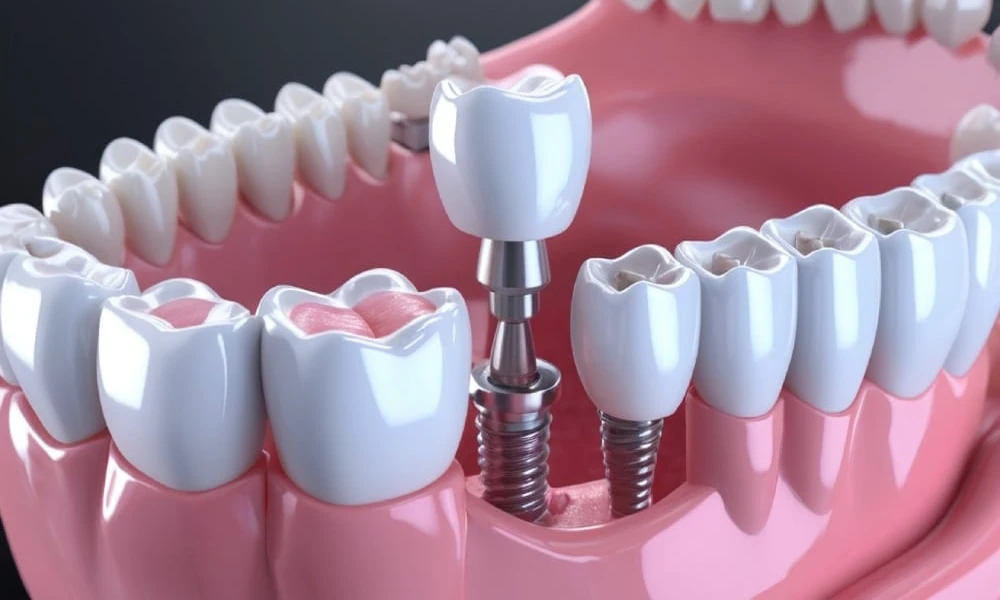
You might be feeling pulled in two directions at once. On one hand, you want a smile that feels natural, strong, and truly yours. On the other, the idea of surgery, cost, healing time, and the fear of getting it wrong can sit heavily in your mind. That tension is real, especially when the treatment is both functional and visible every single day. For patients exploring restorative dentistry in La Jolla, those concerns can feel even more immediate.
If you are considering care from an implant and cosmetic dentist, the short answer is simple. Personalized planning matters because no two mouths, bone structures, bite patterns, or smile goals are the same. A treatment plan that fits your health, appearance, and long term needs can protect your comfort, your results, and your investment.
Why does a one size fits all approach fall short in cosmetic dental implant cases?
Dental implants are not just about replacing a missing tooth. In cosmetic cases, they also affect the way your smile looks, how your lips are supported, how your bite comes together, and even how confident you feel when you speak or laugh. Because of that, a standard plan can miss details that matter to you.
Think about two people who both need a front tooth replaced. One may have thick gum tissue and strong bone. The other may have some bone loss, a higher smile line, and a strong concern about symmetry. The implant itself might be similar, but the planning cannot be. Placement angle, gum shaping, crown design, shade matching, and healing steps all need to be adjusted to the person, not just the tooth.
So, where does that leave you? It means custom dental implant planning is not an extra step. It is the foundation of a result that looks believable and feels stable.
This also connects to your overall health. Research from the National Institute of Dental and Craniofacial Research shows that oral health affects quality of life in wide ranging ways, from comfort to daily function. You can read more in the Oral Health in America executive summary. When planning is personal, treatment can better support both appearance and function instead of forcing you to choose one over the other.
What can go wrong when cosmetic implant treatment is planned too broadly?
The problems are not always obvious at first. An implant may integrate well and still leave you unhappy if the final tooth looks too long, too flat, or slightly off center. You may chew well but feel self conscious in photos. Or the crown may look fine on its own, yet clash with the shape and color of the surrounding teeth.
There are practical concerns too. If bite forces are not studied carefully, the implant may be placed under stress. If bone volume is limited and not addressed early, treatment may become more complex later. If the gum line is uneven, the cosmetic result can suffer even when the implant is technically successful.
This is why personalized cosmetic implant treatment often includes more than one conversation before any procedure begins. You may need imaging, bite analysis, a review of your medical history, and a detailed discussion about what you want your smile to look like in daily life. Not a perfect smile on paper, but your smile.
Advances in dental materials have also improved what is possible, especially for esthetics and durability. The NIDCR shares updates on dental materials research, which helps explain why material choice should be tailored, not guessed. In a visible area of the mouth, that choice can affect translucency, strength, and how natural the result appears in different light.
How does personalized planning compare with a more generic dental implants process?
When you are weighing treatment, it helps to see the difference clearly. A more generic process may seem faster at first, but a tailored plan often reduces surprises and regret.
| Planning Area | Generic Approach | Personalized Approach |
| Smile design | Focuses mainly on filling the space | Matches tooth shape, shade, gum line, and facial features |
| Bite analysis | Basic fit check | Studies pressure, alignment, and long term wear patterns |
| Bone and gum review | Addresses issues only if obvious | Plans ahead for grafting, tissue support, and esthetic balance |
| Material selection | Uses a standard crown option | Chooses materials based on strength, appearance, and placement area |
| Patient goals | Limited discussion of lifestyle and concerns | Builds treatment around comfort, budget, timeline, and appearance goals |
If you are replacing a back tooth, the plan may center more on strength and bite force. If you are replacing a front tooth, the cosmetic details become even more demanding. That is the heart of cosmetic dental implants. The treatment has to work, but it also has to disappear into your smile in the best possible way.
What steps can you take now if you want a better dental implant result?
1. Ask for a full planning conversation. Do not settle for a quick quote without a deeper review. Ask how your bone, gums, bite, and smile line affect the plan. Ask what the dentist would change based on your facial features and goals.
2. Request clarity on materials and staging. Find out what type of crown material is being considered, whether grafting may be needed, and how long healing may take. A clear timeline can lower anxiety and help you plan financially and personally.
3. Talk honestly about the result you want. Bring up your worries, even if they feel small. Maybe you are concerned about matching one front tooth, or about looking too different after treatment. Those details matter. The best dental implants plan is built around what matters to you, not around assumptions.
When you want your smile to feel like you again, what matters most?
Careful planning. Clear communication. A result that respects both your health and your appearance. If you have been feeling overwhelmed by choices, that makes sense. This is not a minor decision, and you should not be rushed through it.
With the right planning, implant treatment can feel less like a leap and more like a series of thoughtful steps. If you want to stay informed as dental care continues to evolve, the latest NIDCR news updates are a useful place to follow ongoing research and care developments.
Your smile is personal, so your treatment should be too. When you are ready, reach out to discuss your options for implant and cosmetic dentist care and ask what a truly individualized plan would look like for you.