

If you live in Pocatello, you probably have an active life, thanks to the incredible hiking, skiing, and other activities that are available here. However, extreme adventure coupled with age can cause joint pain and other conditions, such as arthritis. Fortunately, you don’t have to live with it. Clinics like The Regenerative & Joint Clinic now offer PRP (Platelet Rich Plasma) therapy for joint pain. Located right in Pocatello, the clinic has the best experts and all the advanced testing and diagnostic facilities. In this blog post, we will talk about PRP for treating joint pain.
Common causes for joint pain
People usually associate joint pain with older adults, although anyone can experience the symptoms, depending on the cause. There are several causes, including osteoarthritis and sports injuries, especially caused by an active lifestyle and adventure activities, such as skiing and hiking. Many active workers and athletes also suffer from overuse injuries and tendonitis. Joint pain can have an extreme effect on daily life, including productivity, work performance, and mobility.
What is Platelet‑Rich Plasma (PRP)?
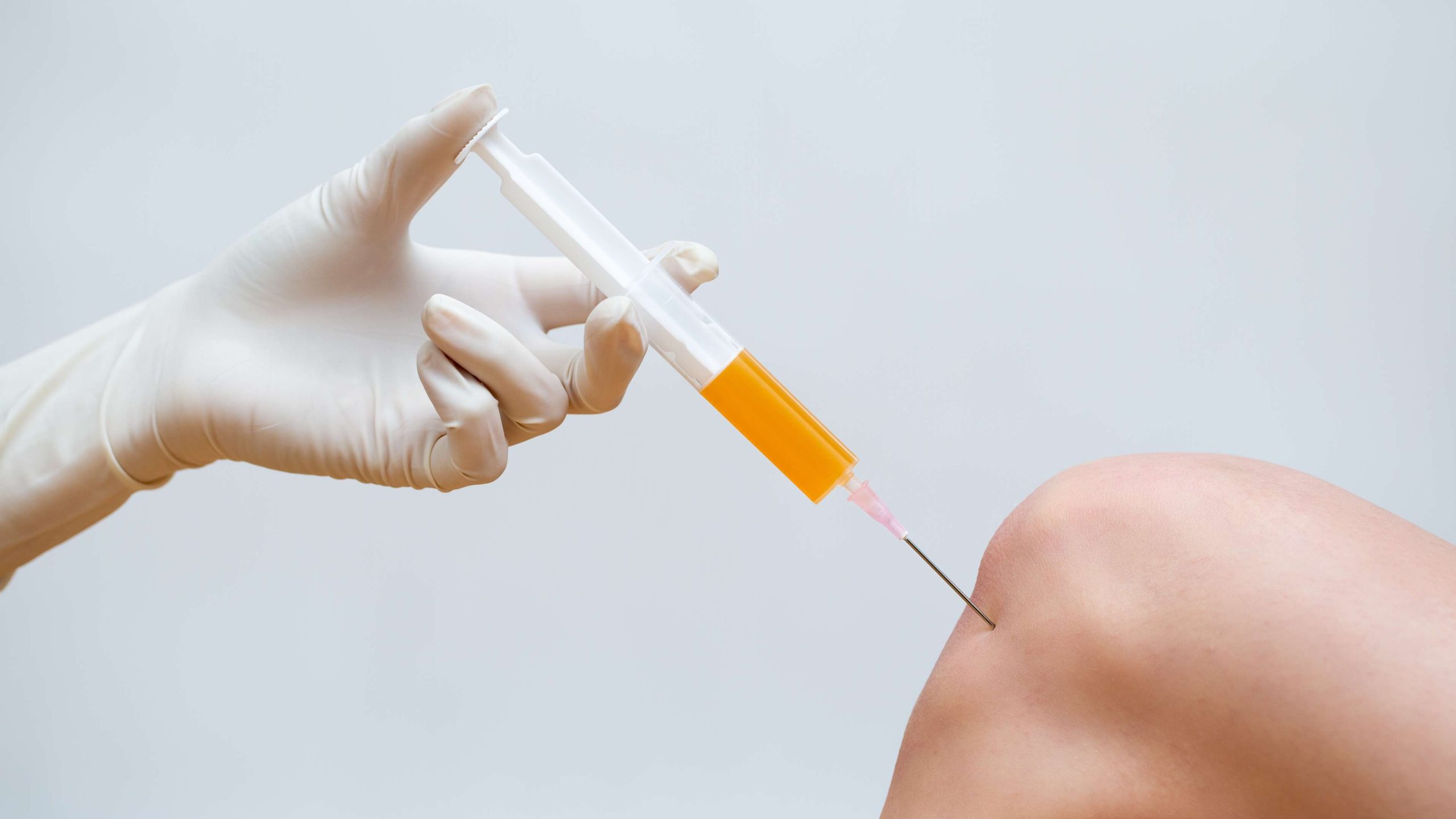
Platelet‑Rich Plasma (PRP) is derived from the patient’s own blood. During the procedure, a centrifuge is used to spin the drawn blood, which helps separate the platelets. These platelets have natural growth factors help with tissue repair. The extracted PRP is then injected into the affected joint, and the process can be completed immediately. No additional medication is included.
How does PRP work?
Because Platelet‑Rich Plasma (PRP) comes from the patient, it works without any side effects. It stimulates the repair of ligaments, tendons, and cartilage and offers relief from local inflammation. It also promotes healing in micro-damaged tissues. PRP therapy can help with conditions, such as osteoarthritis, shoulder injuries, hip injuries, ankle issues, and sports-related injuries.
PRP Procedure at a glance
During the first meeting, doctors will do a complete evaluation, which includes imaging for a confirmed diagnosis. If the patient is an ideal candidate for PRP, the doctors will then draw blood and start the centrifuge process. After preparing the injection site, the PRP is injected, for which, in some cases, ultrasound can be considered. PRP is often combined with physical therapy, and doctors may recommend low‑impact exercises to aid recovery in certain cases.
About recovery and results
You may experience mild soreness after getting PRP injections. Pain relief is usually expected over the weeks. You may be asked to rest for a few days. Keep in mind that adhering to care instructions and checking with the healthcare provider is necessary according to the schedule. Also, if there is an infection at the injection site or severe soreness, check with your healthcare provider. While risks are limited, it is critical to seek medical attention if the pain worsens after the PRP injection.
Results are mostly positive, although the extent of relief may vary between patients. PRP alone cannot treat certain conditions and offer pain relief, and a quick example of that would be severe arthritis. PRP is rather a part of a broader joint health plan and not an instant cure.
Also, note that PRP injections are different from corticosteroid injections. The latter contains a corticosteroid and only offers short-term relief, while PRP offers gradual relief. In severe cases of joint pain and related conditions, some patients may need surgery.
Takeaways
If you have tried pain medications and have tried other treatments for joint pain but with no evident relief, you may want to visit a wellness clinic to discuss PRP. Doctors can check your current symptoms and underlying conditions to determine whether you are likely to benefit from PRP injections. Ensure you understand the procedure and have realistic expectations. Find a clinic for PRP treatment in Pocatello now!