

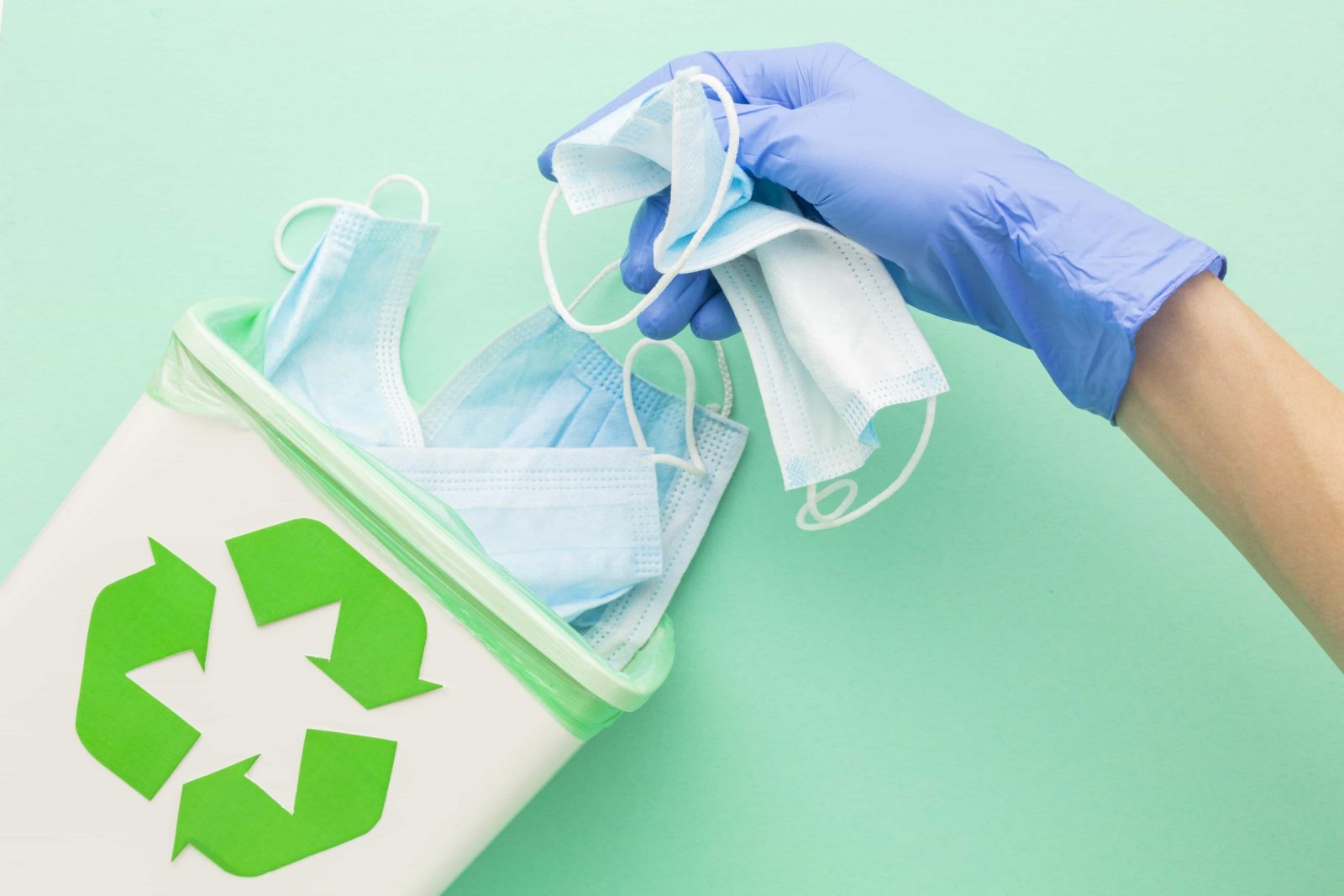
Medical waste recycling is becoming an essential part of modern healthcare operations. As hospitals, clinics, laboratories, and pharmacies continue to generate growing volumes of waste, the focus is shifting from simple disposal toward smarter, more sustainable waste management strategies. Recycling medical waste—wherever safely possible—helps reduce environmental impact, control costs, and support long-term compliance goals without compromising safety.
This article explains how medical waste recycling works, what types of waste can be recycled, and how it fits into a comprehensive healthcare waste strategy.
What Is Medical Waste Recycling?
Medical waste recycling refers to the recovery and reuse of materials generated by healthcare activities that are not infectious or hazardous after proper treatment. While certain waste streams must always be destroyed, many others can be safely recycled once they are correctly segregated and processed.
Common recyclable materials include plastics, packaging, disposable medical supplies, and containers that have not been contaminated or that have been rendered safe through approved treatment methods. Recycling programs rely on strict protocols to ensure that safety is never compromised.
Why Recycling Matters in Healthcare
Healthcare facilities face increasing pressure to reduce waste volumes while maintaining strict safety standards. Recycling plays a key role in achieving this balance by diverting suitable materials away from landfills and incineration.
The benefits of medical waste recycling include:
• Reduced environmental footprint and lower greenhouse gas emissions
• Decreased landfill usage and long-term disposal costs
• Improved compliance with environmental regulations
• Stronger sustainability and ESG performance
By integrating recycling into waste management systems, healthcare organizations demonstrate leadership and responsibility beyond basic compliance.
Medical Waste Disposal and Recycling Working Together
Medical waste disposal and recycling are not competing processes—they are complementary. Proper disposal ensures that hazardous and infectious waste is treated safely, while recycling focuses on materials that do not pose a health risk once handled correctly.
Successful programs start with waste segregation at the point of generation. Staff must be trained to separate recyclable materials from waste that must be destroyed. When this step is done correctly, both disposal and recycling processes become more efficient and cost-effective.
Sharps Container Disposal Within Recycling Programs
Sharps container disposal remains a strictly controlled process and is never part of recycling streams. Items such as needles, syringes, and lancets always require secure containment and professional treatment.
However, recycling programs can still support sharps management indirectly. For example, outer packaging, transport containers, and secondary materials associated with sharps handling may be recyclable once separated from hazardous contents. Clear procedures ensure that sharps never enter recycling channels while maximizing recovery of safe materials.
How to Dispose of Medical Waste While Maximizing Recycling
Facilities looking to increase recycling rates must still prioritize safety and compliance. Knowing how to dispose of medical waste correctly is the foundation of any effective recycling effort.
Best practices include:
• Clear labeling and color-coded containers for different waste streams
• Regular staff training on waste identification and segregation
• Secure storage areas for recyclable medical materials
• Partnerships with licensed providers experienced in recycling healthcare waste
These steps help prevent cross-contamination and ensure that recyclable materials are recovered safely.
Pharmaceutical Waste Disposal and Recycling Limitations
Pharmaceutical waste disposal is an area where recycling options are limited. Most medications cannot be recycled due to their chemical properties and potential environmental impact. Expired, unused, or contaminated pharmaceuticals must be destroyed using approved methods rather than diverted into recycling streams.
That said, certain packaging components—such as outer boxes or non-contaminated containers—may be recyclable if separated correctly. Proper pharmaceutical waste disposal protects water systems, wildlife, and public health while maintaining regulatory compliance.
Environmental and Financial Impact of Recycling Programs
Medical waste recycling delivers measurable environmental benefits while also supporting operational efficiency. Facilities that implement well-designed recycling systems often see reduced disposal volumes, lower treatment costs, and improved waste reporting accuracy.
From a financial perspective, recycling can reduce reliance on high-cost disposal methods and stabilize long-term waste management budgets. From an environmental standpoint, it contributes to resource conservation and reduced emissions—an increasingly important factor for healthcare organizations worldwide.
Building a Sustainable Waste Management Strategy
A modern healthcare waste strategy combines medical waste disposal, recycling, and continuous improvement. Rather than treating waste as a single stream, facilities benefit from viewing it as a system that can be optimized for safety, efficiency, and sustainability.
This integrated approach supports:
• Long-term regulatory compliance
• Safer working environments
• Lower operational risk
• Stronger environmental performance
Medical waste recycling is no longer an optional initiative—it is a practical step toward responsible healthcare operations.
Medical waste recycling offers healthcare organizations a powerful way to reduce environmental impact while maintaining strict safety standards. When combined with professional medical waste disposal, proper sharps container disposal, and responsible pharmaceutical waste disposal, recycling becomes part of a complete, future-ready waste management solution.
By focusing on correct segregation, staff education, and compliant processes, healthcare facilities can recycle safely, operate more efficiently, and contribute to a cleaner, more sustainable healthcare system.