

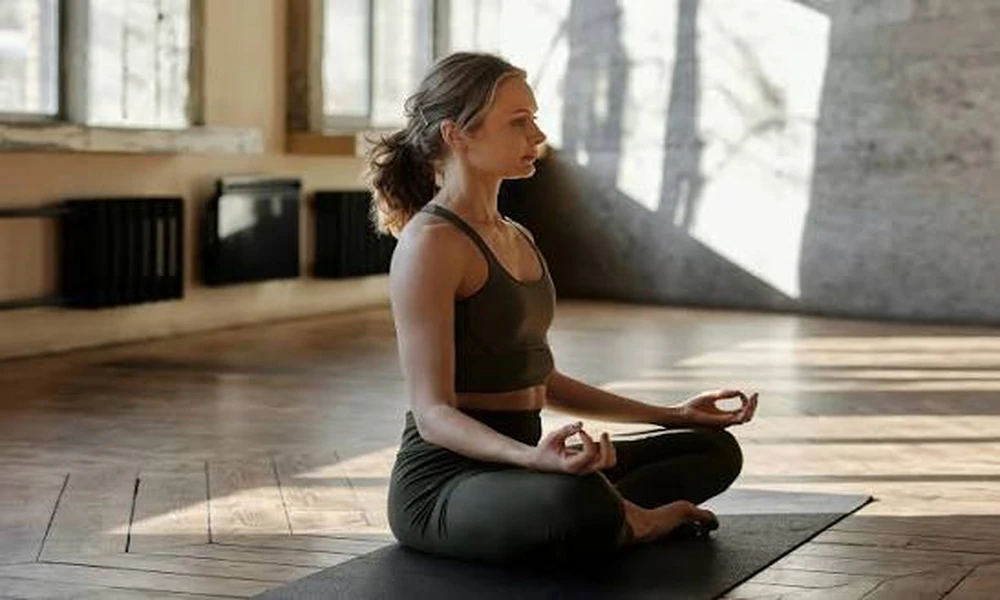
Starting meditation can seem simple until you try to make it part of your daily life. You may sit quietly one morning, follow a meditation recording, and feel motivated to continue. A few busy days later, however, the habit may become difficult to maintain. Finding the right time, choosing a suitable technique, and dealing with distractions can all influence whether meditation becomes a regular activity.
Guided meditation offers a practical starting point for people who are unfamiliar with meditation. Instead of figuring out every step independently, you listen to a teacher or recording that provides instructions about breathing, attention, visualisation, or relaxation.
The most effective routine is not necessarily the longest one. A short session that fits naturally into your day can be easier to maintain than an ambitious schedule. By understanding your preferences, setting realistic expectations, and making small adjustments, you can develop a practice that suits your lifestyle.
Begin With a Clear and Manageable Goal
Before choosing a meditation recording, decide what you want from the practice. Having a simple purpose can help you select an appropriate session without becoming overwhelmed by the available options.
Your goal might be to take a quiet break during a busy day, become more aware of your thoughts, prepare for sleep, or practise directing your attention. You do not need to pursue several goals at once.
For example, someone with a demanding work schedule might begin with a five-minute session during the afternoon. Someone who prefers a slower morning could set aside a few minutes before checking messages.
Keep your first goal specific and realistic. Instead of deciding to meditate for half an hour every day, commit to a short session at a convenient time.
Once the habit feels familiar, you can decide whether to increase the duration or explore different meditation styles.
Find a Time That Fits Your Existing Routine
A meditation habit is easier to remember when it has a predictable place in your day. Rather than waiting until you feel motivated, connect the practice with an activity you already perform regularly.
Consider these possible starting points:
- After waking up: Spend a few minutes sitting quietly before beginning your morning tasks.
- During a work break: Use a short recording to step away from continuous screen time.
- After returning home: Create a transition between work responsibilities and personal time.
- Before bedtime: Choose a gentle session that helps you settle into your evening routine.
There is no universally correct time to meditate. Morning sessions may suit people who prefer quiet before the day becomes busy, while others may find an afternoon or evening session easier to maintain.
Experiment with one time for several days. If it repeatedly conflicts with your schedule, change it rather than abandoning the practice altogether.
Choose a Guide Whose Approach You Enjoy
The person leading a meditation can influence your experience. Some guides speak slowly and leave long pauses, while others provide frequent instructions or use background music.
You may prefer a simple voice recording that directs your attention towards breathing. Alternatively, a visualisation session may appeal to you if you enjoy imagining peaceful places or following detailed descriptions.
- The length of the session.
- The pace and tone of the instructions.
- Whether background music helps or distracts you.
- Whether the language is clear and easy to follow.
- Whether the technique matches your current needs.
Avoid switching between many recordings during a single session. Give one suitable recording a fair try before deciding whether it works for you.
You also do not need to follow every instruction perfectly. If a guide asks you to imagine something that feels difficult or uncomfortable, you can return to your natural breathing or simply listen without attempting the visualisation.
Set Up a Space That Makes Starting Easy
You do not need a dedicated meditation room to establish a routine. A chair in your bedroom, a quiet corner of the living room, or another comfortable location can be sufficient.
Choose a place where you can sit safely and remain relatively undisturbed. Put your phone on silent, arrange your seating, and open the recording before beginning.
A few practical details can make the experience more comfortable:
- Sit on a supportive chair or cushion.
- Keep your feet stable if you are seated.
- Adjust the lighting to suit the time of day.
- Use headphones if they help you hear the instructions clearly.
- Keep the space free from unnecessary clutter.
Your posture does not need to look like a traditional meditation pose. The important thing is to remain comfortable enough to pay attention without becoming distracted by physical strain.
Make the preparation simple. If setting up takes longer than the meditation itself, you may be less likely to repeat the activity consistently.
Follow a Guided Session Without Trying to Be Perfect
During your first few sessions, concentrate on following the instructions rather than judging the quality of your experience.
A guide may ask you to notice your breathing, relax your shoulders, observe sounds, or pay attention to sensations in different parts of your body. Follow the instructions at a comfortable pace.
You may become distracted by a message you need to send, an upcoming appointment, or an unrelated memory. When you notice this, return your attention to the guide’s voice.
You do not need to stop every thought or force yourself to feel relaxed. Some sessions may feel peaceful, while others may seem restless or ordinary.
It is also acceptable to adjust your posture, open your eyes, or pause the recording when necessary. Meditation should be a flexible practice that respects your comfort.
The aim is to become familiar with the process, not to achieve a perfect session every time.
Explore guided meditation Through Different Formats
Once you have tried a few basic sessions, you can explore different formats to discover what suits you best. Each approach provides a different way to direct your attention.
Breath-focused sessions: These recordings guide you towards the sensations of inhaling and exhaling. They can be useful when you want a straightforward practice without complicated instructions.
Body awareness sessions: These invite you to notice sensations in different parts of your body. They may help you recognise areas of tension and adjust your posture when needed.
Visualisation sessions: A guide may describe a quiet beach, a forest, or another imagined setting. This approach can be appealing if you enjoy using mental imagery, although you do not need to picture everything clearly.
Mindfulness sessions: These focus on observing thoughts, emotions, sounds, and sensations without immediately reacting to them.
Short relaxation sessions: These offer a brief opportunity to pause during a busy day. They may be particularly convenient when you have limited time.
Try one format at a time instead of expecting every method to produce the same experience. Your preferences may also change depending on the time of day and your current needs.
Make Progress With a Simple Weekly Plan
Rather than increasing the duration too quickly, use the first few weeks to establish a predictable habit.
Here is one possible progression for beginners:
| Period | Suggested practice | Main objective |
| Days 1-3 | 3-5 minutes per session | Become familiar with the instructions |
| Days 4-7 | 5 minutes per session | Establish a regular time |
| Week 2 | 5-8 minutes per session | Explore a comfortable meditation style |
| Week 3 onward | 5-10 minutes, if suitable | Maintain the habit and adjust gradually |
This is a flexible example, not a required schedule. You can remain at a shorter duration for as long as you prefer.
If you miss a day, resume when convenient. There is no need to make up for missed sessions by doubling the duration the following day.
The most useful measure of progress is whether the routine fits your life and feels manageable enough to continue.
Deal With Common Obstacles Before They Disrupt Your Habit
Many beginners stop meditating because they expect the practice to feel rewarding every time. When a session feels distracting or uninteresting, they may assume that it is not working.
A more practical approach is to identify the obstacle and make a small adjustment.
If you keep forgetting: Attach meditation to an existing habit, such as having breakfast or finishing work.
If you feel restless: Choose a shorter recording or try a session that includes gentle movement.
If you become sleepy: Sit upright in a well-lit space and choose a time when you are more alert.
If the guide talks too much: Try a recording with fewer instructions and more quiet pauses.
If you cannot find a suitable time: Keep a two- or three-minute option available for particularly busy days.
Do not turn meditation into another obligation that creates pressure. A routine should support your daily life rather than become a source of frustration.
Learn to Practise Without Depending Entirely on Recordings
Guided sessions can provide helpful structure, particularly when you are new to meditation. Over time, you may also want to become comfortable sitting quietly without listening to instructions.
You can begin by finishing a guided recording and spending an additional minute observing your breathing. Another option is to pause the audio briefly and notice the sounds around you.
As you become familiar with the techniques, you may occasionally choose to meditate independently. Sit comfortably, focus on your breath, and return to it whenever your thoughts wander.
There is no need to stop using guided recordings if you continue to enjoy them. Independent meditation is simply another option that can provide greater flexibility when you do not have access to audio.
The purpose of learning the basics is to give yourself more ways to practise, not to reach a particular level of expertise.
Review Your Experience Without Judging Yourself
After a session, take a moment to consider how the practice fitted into your day. You might notice that a shorter recording was easier to complete or that background music made concentration more difficult.
You can keep a brief note about the duration, the technique you used, or whether the timing was convenient. Avoid treating every session as a performance that must produce measurable results.
Questions such as these may be useful:
- Was the session easy to fit into my schedule?
- Did I feel comfortable with the instructions?
- Would a shorter or different session suit me better?
- Is there a practical change I want to try next time?
Review your routine every week or two and make small adjustments. You may find that certain sessions suit mornings better, while others work well during an afternoon break.
If meditation makes you feel distressed or brings up difficult emotions, stop or switch to a more grounding activity. You can seek guidance from a qualified mental health professional if the experience is persistent or troubling.
Conclusion
Developing a regular meditation habit begins with realistic expectations, a convenient time, and a method that feels comfortable. Start with a short session, choose a guide whose instructions you understand, and give yourself permission to adjust the routine as you learn.
You do not need to meditate for long periods or feel completely calm to make the practice worthwhile. Returning to the session after a distraction is a normal part of learning.
With patience and regular practice, mindfulness can become a useful part of your daily routine, helping you make time to observe your thoughts and experiences more deliberately. Focus on building a habit that suits your life rather than trying to follow a perfect schedule.
Frequently Asked Questions
1. How long should beginners practise guided meditation?
Beginners can start with three to five minutes per session. Gradually increase the duration if you feel comfortable, but there is no requirement to complete long sessions.
2. Is guided meditation suitable for people who have never meditated?
Yes. Guided meditation provides spoken instructions that explain where to direct your attention and how to approach common distractions. Choose a beginner-friendly session with clear, simple directions.
3. What is the best time of day to meditate?
The best time is one you can follow consistently. Morning, afternoon, and evening sessions can all work, depending on your schedule and personal preferences.
4. What should I do if my mind wanders during a guided session?
Notice that your attention has shifted and return to the guide’s instructions. Wandering thoughts are normal and do not mean you are practising incorrectly.
5. Do I need music during guided meditation?
No. Some recordings use background music, while others rely entirely on spoken instructions or silence. Choose the format that helps you focus comfortably without unnecessary distractions.