

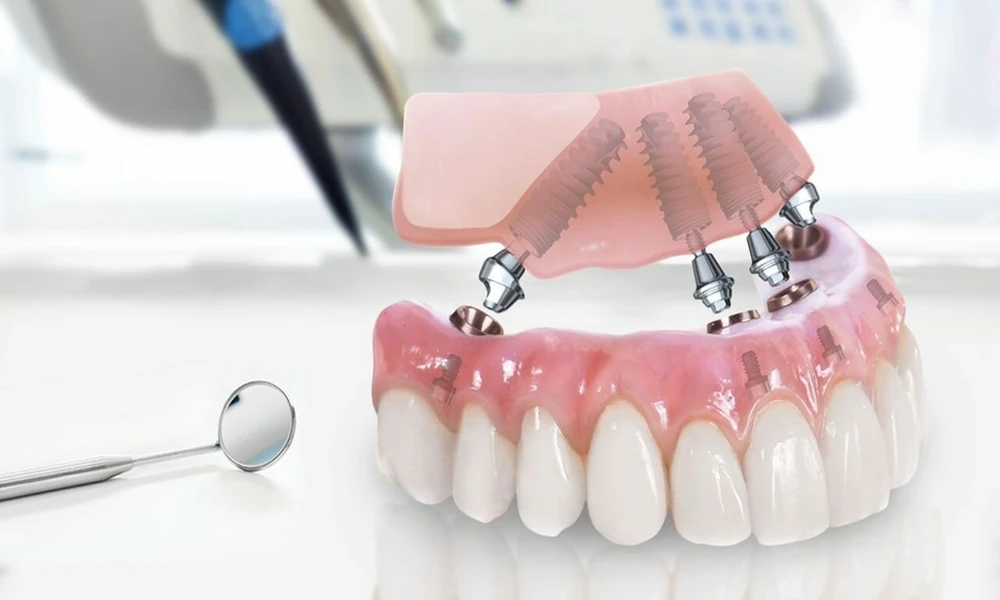
You might be feeling pulled in two directions at once. On one hand, dental implants can sound like a clear path back to comfort, confidence, and normal eating. On the other, all the talk about scans, guided surgery, and digital design can make the process feel more technical than personal. That tension is real. When you are thinking about replacing a tooth, you want precision, but you also want to understand what is happening in plain language, especially when exploring restorative dentistry in Sequim, WA.
Here is the short version. The role of digital technology in modern implant dentistry is to help your dentist plan more carefully, place implants more accurately, and create restorations that fit better. It can improve communication and reduce guesswork. At the same time, digital tools are still tools. They work best when they are paired with good judgment, clear diagnosis, and a dentist who sees you as a person, not just a scan.
Why does digital implant dentistry matter when you just want your smile back?
If you have ever had a missing tooth, you know the problem is not only cosmetic. Chewing can feel uneven. Speaking may change in small but frustrating ways. You may even start avoiding certain foods or smiling less without fully noticing it. Because of this, the idea of an implant often brings hope, but it can also bring questions about cost, safety, and whether the result will really feel natural.
This is where digital implant dentistry starts to matter. Instead of relying only on traditional impressions and two dimensional images, many dentists now use digital scans, 3D imaging, and computer guided planning. These tools can show the shape of your bone, the location of nearby nerves, and the space available for the final crown before treatment even begins.
Why does that help? Because implant treatment is not just about putting a titanium post into bone. It is about placing it in the right angle, depth, and position so the final tooth looks right and functions well. A strong plan at the start often leads to fewer surprises later.
What digital tools are changing modern dental implants?
One of the biggest advances is cone beam computed tomography, often called CBCT. This type of scan gives a three dimensional view of the jaws and surrounding structures. The FDA explains that dental cone beam computed tomography can support diagnosis and treatment planning, especially when detailed imaging is needed. That matters in implant care because your dentist can evaluate bone height, width, and important anatomy with much more detail than a standard dental X ray provides.
Digital impressions are another shift. Instead of using trays and impression material, an intraoral scanner can create a digital model of your teeth and gums. For many patients, that means more comfort and less mess. It can also make it easier to design crowns, bridges, or full arch restorations with a closer fit.
Then there is guided surgery. After the scan and digital plan are complete, a surgical guide can be made to help position the implant according to that plan. A recent review on digital workflows in implant treatment points to benefits such as improved planning and workflow efficiency, while also reminding us that outcomes still depend on case selection and clinical skill.
Does more technology always mean a better implant result?
Not always, and this is an important point. It is easy to assume that more screens and more software automatically mean better care. Sometimes they do help. Sometimes they simply change the method. The real question is whether the technology solves a problem that matters in your case.
For example, if your bone is limited or your anatomy is complex, 3D planning may offer a clear advantage. If your case is straightforward, digital tools may still improve comfort and communication, but they are only part of the picture. Your bite, gum health, healing ability, and daily habits still shape the outcome.
Research on computer assisted planning and guided implant placement has shown that digital systems can support accuracy and predictability. Even so, no software can replace careful diagnosis or long term maintenance. A beautifully planned implant can still fail if gum disease is ignored or if biting forces are not managed well.
How do traditional and digital workflows compare in general and implant dentist care?
So, where does that leave you? Usually in a better position to ask practical questions. Technology should make treatment clearer, not more confusing. This simple comparison can help you see where digital systems may offer value.
| Area | Traditional Approach | Digital Approach |
|---|---|---|
| Imaging | 2D X rays with limited depth information | 3D CBCT planning for bone and anatomy review |
| Impressions | Physical trays and impression material | Intraoral scans with digital models |
| Surgical Planning | Manual planning based on models and films | Computer planning with possible surgical guides |
| Patient Experience | Often familiar, but less visual explanation | Usually easier to show treatment steps on screen |
| Fit of Final Restoration | Can be very good, depends on impressions and lab steps | Can improve consistency and streamline lab communication |
For many people, the biggest benefit is not that technology feels advanced. It is that it can reduce uncertainty. Seeing the plan can make the process feel less abstract and more manageable.
What can you do now if you are considering modern dental implants?
Ask how the planning works. You do not need to memorize technical terms. Just ask what images or scans will be used, why they are needed, and how they affect your treatment plan. A good explanation should leave you calmer, not more overwhelmed.
Ask whether digital tools change your outcome. In some cases, they truly improve precision and fit. In others, they mainly improve workflow or comfort. Both can be useful, but it helps to know which benefit applies to you.
Ask about maintenance after placement. Even the best implant dentistry plan needs follow through. You should know how to clean around the implant, how often to return for checks, and what signs of trouble to watch for.
What should you remember before moving forward?
If all of this still feels like a lot, that is normal. Replacing a tooth is both a health decision and a personal one. The good news is that digital technology has made many parts of modern implant care more precise, more visual, and often more comfortable. The more important truth, though, is that technology works best when it supports thoughtful care, honest communication, and a plan built around your needs.
If you are exploring treatment, take the next step by scheduling a consultation and asking how digital planning may shape your options for a healthier, more confident smile.