

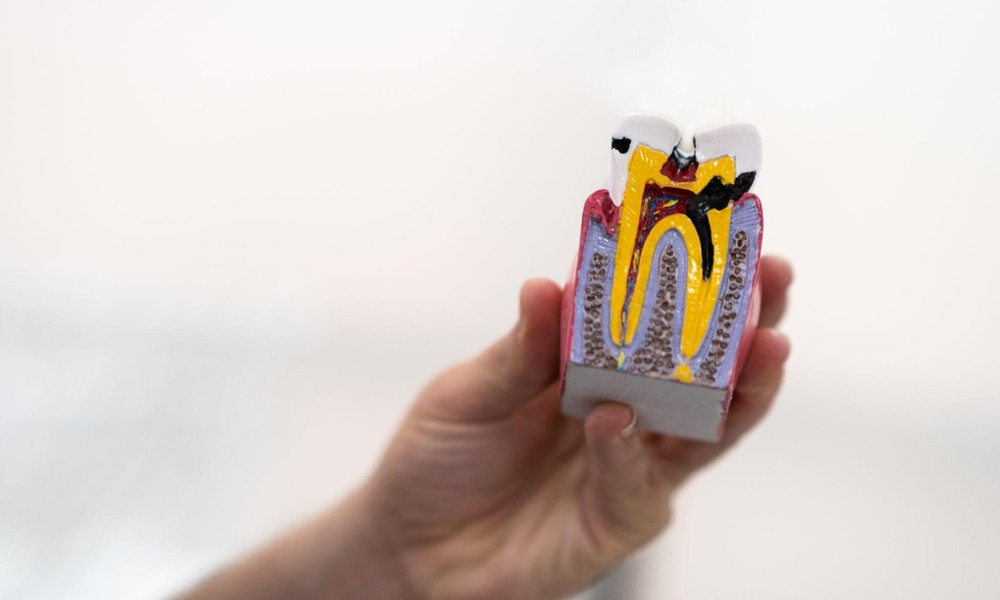
In modern dentistry, the primary goal is typically the preservation of your natural teeth. Dentists often explore various options to save a natural tooth because of its functional benefits. However, there are instances where a tooth transitions from being treatable to non-restorable. Understanding these clinical boundaries helps patients maintain realistic expectations for their oral health journey.
The Progression of Decay
Tooth decay is a progressive condition. It begins as erosion of the enamel and, if left unaddressed, can migrate deeper into the dentin and the pulp. While fillings, inlays, and crowns are common tools for structural repair, they require a stable foundation to be effective.
The clinical team at LQ Dental observes that the decision to recommend an extraction is often based on the volume of healthy tooth structure remaining. If decay extends significantly below the gum line or compromises the “ferrule” (the amount of sound tooth structure available for a crown to grip), the tooth may no longer be able to support a long-term restoration.
When the Root is Affected
While the crown of the tooth (the visible portion) can often be reconstructed, the root presents different challenges. If decay or a fracture extends deep into the root canal or involves the furcation (the area where roots branch out), the long-term outlook for the tooth may be poor.
Furthermore, advanced periodontal disease can affect the bone and ligaments that support the tooth. When a tooth has lost significant bone support, dental professionals must evaluate whether retaining the tooth might negatively impact the health of the surrounding teeth and the jawbone.
The Importance of Timely Intervention
Postponing a necessary extraction can sometimes lead to further complications. A severely decayed tooth can become a source of bacterial infection, potentially leading to abscesses, swelling, or the spread of infection to adjacent teeth. When a tooth is clinically determined to be unsavable, the priority shifts to protecting the patient’s overall oral environment by removing the source of the issue.
Post-Extraction Options
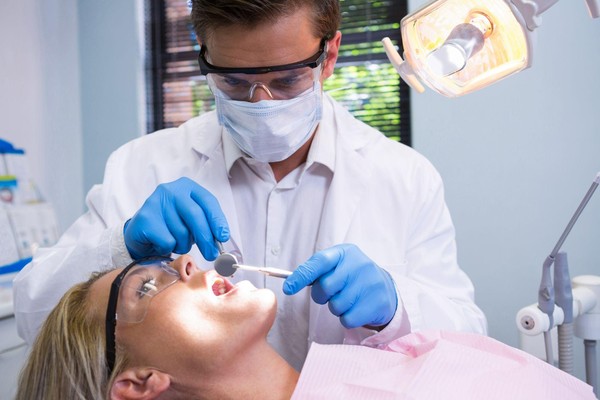
The loss of a natural tooth does not mean the end of a functional smile. Modern dental techniques have made the transition from extraction to replacement a structured process.
LQ Dental focuses on comprehensive care tailored to the individual. They utilise up-to-date digital technology to plan replacements such as dental implants or bridges with clinical assuredness. The team, which includes General Practitioners, Oral Surgeons, and Periodontists, provides personalised dental care focused on long-term oral health outcomes.
By integrating modern clinical techniques with a patient-centered approach, the team ensures that patients receive a clear management plan for their dental health.
Professional Consultations at LQ Dental
When a tooth can no longer be saved, it is important to have a team that prioritises your clinical needs and long-term health. At LQ Dental, the clinicians combine over 30 years of experience with modern digital dentistry to provide comprehensive care. From extractions to dental implants and oral surgery, the team is available to discuss your restorative options.
Contact LQ Dental to schedule your clinical consultation.