

How did preclinical work begin?
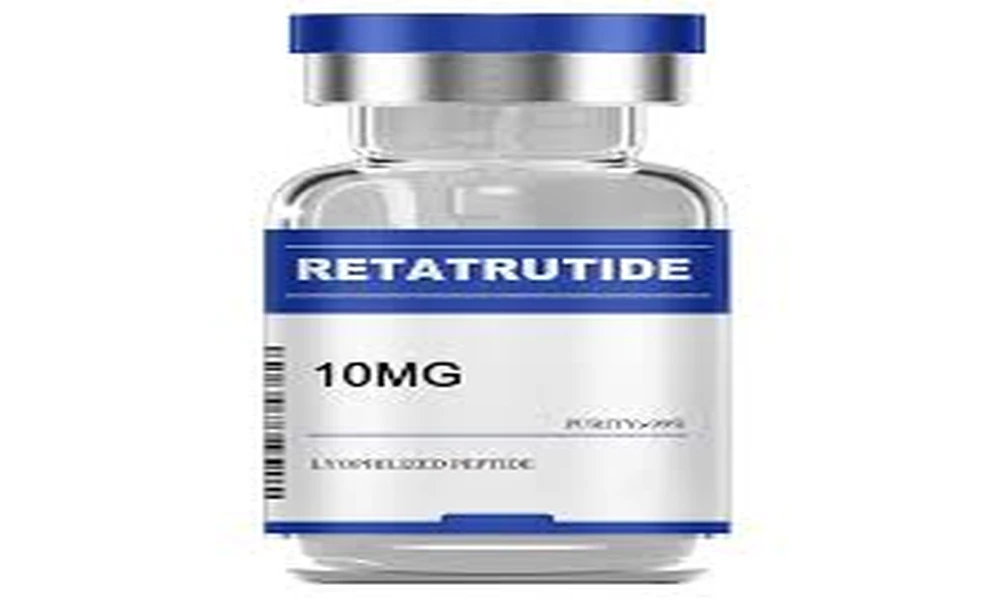
Animal model studies gave researchers their first structured look at what triple receptor agonism produced across tissue systems. Retatrutide was not tested against simple weight endpoints in early preclinical programs. Investigators designed protocols around metabolic markers, liver fat content, glucose disposal, and fat tissue remodelling from the start. Labs choosing to buy research retatrutide for preclinical use entered a space where the compound’s receptor profile raised questions that existing single-receptor data could not answer.
Rodent and primate models showed fat mass reduction at a rate and breadth that GLP-1 compounds in parallel studies did not match. Liver triglyceride content dropped in models with confirmed steatosis. Insulin sensitivity markers shifted across tissue types simultaneously rather than at one site. What made these findings significant was not the magnitude alone but the consistency across independent model systems. Different research groups using different protocols reached overlapping conclusions, which gave the preclinical data a reliability that accelerated interest from investigators in adjacent health science fields.
What findings were carried into human research?
Preclinical signals translated into human trial design more directly than is typical for metabolic compounds. Four findings from animal models appeared as primary endpoints in early clinical phases rather than exploratory ones.
1. Hepatic fat reduction as a primary endpoint
Liver triglyceride findings from rodent models were specific enough that human trial protocols built MRS-confirmed liver fat measurement into core endpoints rather than secondary analysis. Preclinical data had indicated the liver signal was too consistent to be treated as incidental.
2. Adipose tissue remodelling
Fat mass reduction in animal models was not proportional across all depots. Visceral fat showed disproportionate reduction compared to subcutaneous fat, and human trial monitoring was structured to track this distinction specifically because preclinical imaging had flagged it.
3. Insulin response calibration
Animal model glucose tolerance data showed sensitivity improvements that preceded significant weight change, suggesting receptor-driven metabolic shifts rather than secondary effects of fat loss. Human protocols incorporated early-phase insulin sensitivity measurement because preclinical timing made the sequence worth documenting.
4. Thermogenic output elevation
Glucagon receptor engagement in animal models raised energy expenditure independent of physical activity changes. Human trials incorporated indirect calorimetry partly because preclinical thermogenic data were strong enough to warrant direct measurement rather than inference.
Fields responding to preclinical data
Preclinical retatrutide findings moved into health science discussions outside metabolic research. Hepatology researchers engaged with liver fat data that pointed toward NASH intervention potential. Endocrinologists examining insulin resistance mechanisms found the sensitivity timeline from animal models relevant to type 2 diabetes research frameworks. Cardiometabolic researchers noted visceral fat reduction patterns that intersected with cardiovascular risk factor literature.
Each field did not simply borrow conclusions. Investigators in each area identified which preclinical endpoints were relevant to their specific questions and built those into adjacent research designs. Retatrutide became a cross-disciplinary subject because the animal model data produced findings that mapped onto open questions in multiple health science fields simultaneously.
Research frameworks that would previously have required years of independent hypothesis building are incorporating retatrutide preclinical findings as starting reference points. Investigators designing NASH trials, insulin resistance protocols, and cardiometabolic studies are using animal model data to justify endpoint selection and observation windows.